4.9-Star Rated
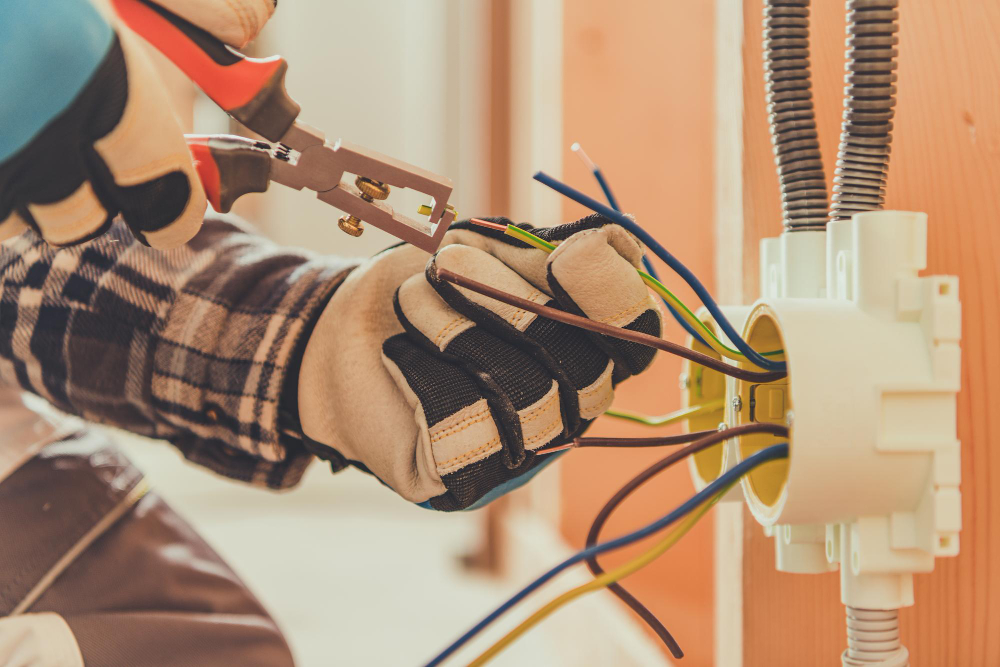
Electrical emergencies in Watkins Glen, NY do not wait for a convenient time, and knowing how to respond can protect your home and your family. Emergency electrical repair in Watkins Glen covers everything from power outages and burning smells to sparking outlets and failed breakers, all situations that need immediate attention from a licensed professional.
A qualified emergency electrician arrives with the tools and parts needed to fix most problems on the first visit. Summer storms, heat-driven overloads, and aging wiring all create conditions where something that seemed fine yesterday becomes a hazard today.
This guide covers what creates electrical emergencies during summer weather, how to recognize the warning signs that mean you should not wait, and what actually happens when a technician shows up. You will also learn what you can do now to reduce the chance of an urgent electrical problem in your home.
In this article, you will learn about:
Keep reading to know exactly when to pick up the phone and what to have ready when you do.
Seasonal weather creates distinct risks for your home's electrical infrastructure. Power surges, hidden storm damage, and heat-driven strain can all push a system past its limits and cause failures that require immediate professional attention.
Heavy storms bring high winds and falling debris that damage power lines and electrical equipment. When branches hit overhead lines or ice accumulates on conductors, you may lose power for hours or days. According to the U.S. Energy Information Administration, major-event power interruptions averaged nearly nine hours per customer nationally in 2024, nearly double the average over the prior decade. Repeated outages and restarts stress your circuits and connected appliances.
Power fluctuations during storms can damage sensitive electronics before you notice a problem. Your refrigerator, HVAC system, and computer equipment face the greatest risk during voltage swings. Lightning strikes near your property send surges through the lines and into your home.
Winter storms add challenges with ice buildup on electrical components. The weight can pull down service lines or damage the weatherhead where power enters your building. Water intrusion during heavy rain may seep into outdoor outlets, breaker boxes, or damaged wiring conduits.
Lightning does not need to strike your house directly to cause damage. A strike within a mile of your property can send a surge through power lines, phone lines, or cable connections. That energy travels into your home and damages circuit boards in appliances and electronics.
Some surge damage appears right away as dead devices or tripped breakers. Other damage is gradual and shortens equipment lifespan over weeks. Your air conditioner compressor or furnace control board may fail long after a storm passes through.
You might notice lights flickering, outlets that feel warm, or appliances that do not work correctly. These signs often point to wiring damage or panel issues that developed during the weather event. A licensed electrician can test your circuits and identify problems before they create fire hazards.
Air conditioners draw more power than almost any other appliance in your home. When temperatures climb above 85 degrees, your AC runs continuously and pushes your electrical system to its limits. That heavy, sustained load heats up wiring and connections inside your walls.
Old or undersized wiring struggles to handle summer cooling demands. Breakers may trip frequently, or you might detect a burning smell near outlets and switches. High ambient temperatures also affect the components inside your breaker panel, causing connections to loosen over time.
Multiple appliances running simultaneously during hot weather compounds the problem. Your refrigerator works harder, fans run in several rooms, and everyone charges devices more often. That combined demand can overload circuits that handled the load without trouble during cooler months.
Certain electrical problems pose immediate safety risks that require fast professional response. Burning smells, visible sparks, and unexpected power loss all signal conditions that can lead to fires or serious damage if left alone.
A burning odor near outlets or your electrical panel means something is overheating inside the wall or enclosure. This happens when wires get too hot from loose connections, overloaded circuits, or damaged insulation. The smell may resemble burning plastic or rubber.
Turn off power to the affected area immediately if you can do so safely. Do not use any outlets or switches producing that smell. The U.S. Fire Administration reports that an estimated 24,200 residential electrical fires occur annually, causing hundreds of deaths and more than $1.2 billion in property damage. Many of those fires start with exactly this type of overheating connection.
Never ignore these odors even if they seem faint or disappear temporarily. The underlying problem is still there and will worsen. Call for emergency service rather than waiting until business hours.
Sparks flying from outlets, switches, or your panel indicate serious electrical failure. You may also see scorch marks, melted plastic, or discolored areas around receptacles. These signs mean electricity is arcing where it should not be.
A small spark when you plug something in can be normal, but large sparks, continuous sparking, or sparks accompanied by a popping sound are dangerous. Arcing can ignite nearby materials like curtains, paper, or wood trim. The heat also melts wiring insulation and creates additional fire hazards behind the wall.
If you see these warning signs, stop using the affected outlet or circuit immediately. A residential electrical emergency requires professional assessment because the damage often extends beyond what is visible. Licensed electricians have the tools to find hidden problems in your wiring system.
Losing power to part of your home without a tripped breaker suggests a serious wiring problem somewhere in the system. This differs from a standard tripped circuit, which you can reset at the panel. Partial power loss often means a wire has come loose, corroded, or burned through.
You might notice some rooms have power while others do not, or certain outlets work while nearby ones stay dead. This creates an unpredictable electrical situation that is difficult and dangerous to troubleshoot on your own.
Do not attempt to fix hidden wiring problems yourself. The issue could be anywhere from your main panel to junction boxes buried inside your walls. An emergency electrician locates the problem quickly using specialized testing equipment and restores safe power to your home.
Quick action during an electrical emergency contains the damage to your property and reduces the safety hazards for everyone inside. Fast repairs keep small problems from turning into the expensive kind.
Electrical fires can ignite within minutes of a malfunction. Sparking outlets, burning smells, and buzzing sounds all indicate conditions where heat is building inside your wiring or panel. When these signs are ignored, that heat damages insulation, and flames follow.
The NFPA reports that roughly three out of five home fire deaths occur in properties with no working smoke alarms, underscoring how fast these events escalate once they start. Calling an emergency electrician at the first sign of trouble stops the problem before flames develop.
Damaged electrical systems also harm your home's broader infrastructure. Overloaded circuits melt wire insulation and corrode connection points. That damage spreads through the system over time, affecting multiple rooms and making the eventual repair far more complex.
Power surges from faulty wiring destroy electronics and appliances. Your refrigerator, computer, television, and HVAC system all contain sensitive circuits that fail when exposed to irregular voltage. A single surge event can damage multiple devices at once.
Voltage fluctuations happen when connections loosen or circuits become unstable. You may notice lights dimming or flickering before a major appliance fails. These irregular power conditions wear down electronic components gradually even when they do not cause an immediate failure.
Emergency repairs stabilize your electrical system and stop ongoing damage. An electrician identifies the source of the irregularity and fixes it before your expensive equipment suffers permanent harm. That intervention can save thousands of dollars in replacement costs.
A loose wire that costs $150 to fix today can cause panel damage that requires a $2,000 replacement next month. The longer you wait, the more components fail and need replacement.
Emergency situations worsen rapidly. Water entering electrical systems causes corrosion that spreads to multiple circuits. Heat damage expands from a single connection point to entire sections of wiring. Each hour of delay adds to the final repair bill.
Some damage also creates code violations that require full system upgrades. When outdated or deteriorated wiring no longer meets safety standards, you end up paying for extensive rewiring instead of a simple repair.
When you call an emergency electrician, the technician follows a systematic process to find the problem, make the critical repairs, and help you prevent a repeat. Knowing what to expect helps you prepare and communicate clearly when they arrive.
Your electrician begins by asking about what happened before the problem started. They want to know if you heard unusual sounds, smelled anything burning, or noticed flickering lights. This information helps narrow down potential causes quickly.
The technician inspects your electrical panel first, checking for tripped breakers, signs of overheating, and visible damage to wiring or connections. They use specialized tools, including voltage testers and thermal imaging cameras, to detect problems that are not visible to the eye.
From the panel, they trace circuits to outlets, switches, and fixtures, testing each component to find where the electrical flow stops or becomes dangerous. During this process, they keep power turned off to affected areas to prevent shocks or additional damage. If the problem involves your main service panel or meter, the technician may coordinate with your utility company to disconnect service temporarily.
An emergency electrician focuses on repairs that restore power to essential areas and eliminate immediate safety risks like exposed wiring, sparking outlets, or burning connections.
The most common emergency repairs include:
Your electrician carries standard parts and materials in their service vehicle. That allows them to complete most repairs on the first visit without scheduling a return trip. If your system needs specialized parts, they make temporary safe repairs until permanent fixes can be completed.
After completing the immediate work, your electrician provides specific advice based on what they found. They identify potential problems that could cause future emergencies if not addressed.
You may receive recommendations like upgrading an outdated panel, replacing aging wiring, or adding circuits to reduce chronic overloading. Your electrician explains which issues need attention soon and which can be scheduled over time.
They may also suggest installing whole-house surge protectors, arc fault circuit interrupters, or ground fault circuit interrupters in specific locations. These devices add layers of protection that prevent the most common electrical hazards.
Your technician provides maintenance guidance as well: what warning signs to watch for, how often to schedule routine inspections, and what you can check yourself between professional visits.
Regular maintenance and targeted upgrades keep electrical systems running smoothly during the peak months when cooling equipment and summer storms place the heaviest demands on your circuits and components.
Scheduling electrical inspections twice per year helps identify developing issues before they turn into service calls. A licensed electrician checks connections for overheating, tests breakers for proper operation, and examines wiring insulation for damage.
Summer inspections should focus on air conditioning circuits, which draw significant sustained power. Your electrician measures voltage levels and checks for loose connections that could spark or overheat under heavy load.
Thermal imaging cameras detect hot spots in electrical panels and outlets that indicate failing components. These issues often go unnoticed until they cause a complete failure on the hottest day of the year, exactly when you need your cooling system most.
Inspections also verify that ground fault circuit interrupters work correctly in areas exposed to moisture. Outdoor outlets, pool equipment circuits, and basement locations require special attention during humid summer conditions.
Whole-house surge protectors install at your main electrical panel and guard all circuits against voltage spikes from lightning strikes and grid fluctuations. These devices divert excess voltage to ground before it reaches your appliances and electronics.
Point-of-use surge protectors provide additional defense for valuable equipment like computers, refrigerators, and HVAC systems. Installing both creates a layered approach that handles surges from external sources and from load changes generated inside your home.
Summer storms bring increased lightning activity throughout the Finger Lakes region. A single strike to nearby power lines can send thousands of volts through your wiring and destroy unprotected devices. Quality surge protectors include indicator lights showing when they are functioning properly and when they need replacement after absorbing a major event.
Adding dedicated circuits for high-draw appliances prevents overloaded breakers and reduces fire risk. Air conditioners, pool pumps, and workshop equipment should run on separate circuits rated for their specific amperage.
Replacing outdated electrical panels increases capacity and improves safety. Older panels with 100-amp service often cannot handle modern demands, especially when running multiple cooling units during heat waves. Upgrading to 200-amp service provides headroom for current needs and future additions like EV chargers or home battery systems.
GFCI and AFCI breakers add protection against ground faults and arc faults that standard breakers miss. These advanced devices detect dangerous conditions and shut off power within milliseconds, preventing shocks and fires that older breakers would not catch.
Electrical emergencies escalate fast, and the difference between a minor repair and a major one is usually how quickly you respond. When you face a sparking outlet, a burning smell from the panel, or partial power loss with no tripped breaker, that is not something to monitor overnight. It is something to address now.
Summer weather across the Finger Lakes compounds the risk. Storm surges, lightning, and heat-driven overloads all push older electrical systems past their limits. The homes most vulnerable are the ones that have not been inspected recently, are running original panels, or have wiring that predates the demands of modern appliances and cooling systems.
Getting ahead of these problems with routine inspections, surge protection, and targeted upgrades costs a fraction of what emergency repairs and equipment replacement run after a failure. And keeping a trusted electrician's number accessible means you are not searching for one at the worst possible moment.
Pleasant Valley Electric has been serving Watkins Glen, Ithaca, and communities across Tompkins County since 1983, including 24-hour emergency electrical service. Call (607) 272-6922 when you need fast, licensed help with any electrical emergency.
Whether you are dealing with flickering lights, outdated wiring, breaker problems, or planning a larger electrical upgrade, Pleasant Valley Electric is here to help. Our licensed electricians provide dependable service, honest recommendations, and fast response times throughout Ithaca and surrounding communities.
We call you back within 30 minutes during business hours.