4.9-Star Rated
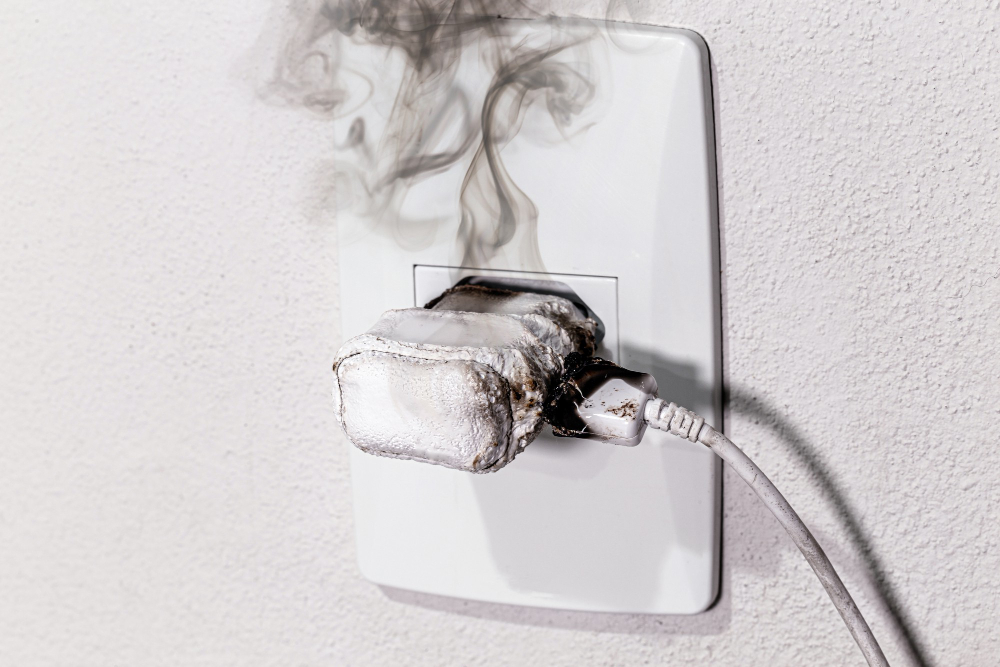
Electrical wiring overheating symptoms can be easy to miss, and that is what makes them dangerous. When wires carry too much current or their condition gets worse over time, they build up heat that stays hidden inside your walls. This heat can damage your electrical system and create fire hazards long before you notice anything is wrong.
The most common symptoms of overheated electrical wires include burning smells, discolored or warm outlets, flickering lights, frequent breaker trips, and buzzing sounds from switches or outlets. Learning to spot these warning signs early helps you take action before a small problem turns into a major safety issue. Each symptom points to specific problems in your electrical system that need attention.
Many homes across Ithaca and Tompkins County were built decades before modern electrical codes existed, which means aging wiring and undersized panels are more common here than in newer developments. This guide covers the key warning signs of overheating wiring and what they mean for your home's safety.
In this article, you will learn about:
Keep reading to learn how to identify overheating wiring before it turns into a fire, an expensive repair, or a safety emergency.
Outlets and switches show clear physical signs when wiring problems exist. Heat, discoloration, and sparks all point to electrical current that is not flowing properly through your system.
Your outlets should feel cool or slightly warm to touch during normal use. When an outlet feels hot, the wiring behind it is working too hard or making poor connections. The heat comes from electrical resistance in damaged wires or loose terminal screws that force electricity to jump small gaps.
You will not always see the problem right away because it develops inside your walls. The insulation around wires breaks down from heat over time. This creates more resistance, which makes more heat, and the cycle continues until something fails.
Check your outlets by touching them when appliances are plugged in. A hot outlet needs immediate attention from an electrician. Do not wait for other symptoms to appear because the damage is already happening behind your walls.
Your electrical circuits have limits on how much power they can safely carry. When you plug too many devices into one outlet or circuit, you push past these limits. The wires heat up as they try to deliver more electricity than they were designed to handle.
Common hot electrical outlet causes include:
The heat starts small but builds with each use. Your outlet might only feel warm at first, but the temperature rises as the wire insulation degrades. Each heating cycle damages the materials a little more.
Move some of your devices to different circuits if you notice warmth. An electrician can install additional circuits if you regularly need more capacity in that area.
Brown or black marks around your outlet openings mean heat or sparking has damaged the plastic cover plate. These scorch marks do not appear from normal use. They show that electricity has arced or that connections inside the outlet box got hot enough to melt plastic.
You might also see discoloration on the actual outlet face or smell burning plastic in the area. The outlet itself may feel loose in the wall because heat has warped the mounting bracket or damaged the box.
Warning signs to check for:
Turn off the circuit breaker for any outlet showing discoloration. Do not use it again until an electrician examines the wiring and replaces the damaged components.
A burning smell from your electrical system means something is overheating right now and requires immediate attention. These odors signal that wires, outlets, or other components are creating dangerous heat that can lead to fires within seconds.
When electrical wiring overheats, the plastic insulation around the wires starts to melt. This creates a sharp, acrid smell that is often described as burning plastic or a chemical, fishy odor. The scent comes from the chemical breakdown of the insulation material as it reaches high temperatures.
You might notice this smell near outlets, light switches, or appliances. The scent can be strong or faint depending on how much insulation is burning. Even a mild burning smell from wiring indicates active overheating that needs immediate inspection.
The smell is different from other household odors because it has a chemical quality. You will not confuse it with burnt food or dust burning off a heater. Your nose is detecting the actual destruction of electrical components in real time. According to the National Fire Protection Association, wire and cable insulation is the item first ignited in nearly four out of every ten home fires that involve electrical distribution equipment.
A burning smell coming from your breaker panel or electrical box is a serious warning sign. The panel contains all your home's circuit breakers and electrical connections. Heat buildup in this area affects your entire electrical system.
These odors usually mean connections are loose, breakers are failing, or circuits are overloaded. The heat generated at these points can reach dangerous levels quickly. Never ignore even a brief smell near your electrical panel.
You should turn off the main breaker if it is safe to approach the panel. Leave your home and call an electrician immediately. Do not wait to see if the smell returns or gets worse.
Just because the burning smell goes away does not mean the problem is solved. The insulation may have already been damaged during the overheating event. Wires with compromised insulation remain fire hazards even when they are not actively smoking.
Heat stress weakens the protective coating on electrical wires permanently. These damaged areas can spark or overheat again without warning. The underlying issue that caused the first overheating event is still present in your electrical system.
You need a professional inspection even if the smell was brief. An electrician can identify damaged wiring and the root cause of the overheating before it leads to a fire.
Changes in how your lights behave often provide the first warning signs of dangerous wiring problems. Flickering, dimming, or inconsistent lighting can indicate electrical issues that may lead to overheating and potential fires if left unaddressed.
Loose connections at outlets, switches, or junction boxes create resistance points in your electrical system. When electricity encounters these resistance points, it generates excess heat that can damage wire insulation and create fire hazards.
You will often notice lights flickering or dimming when loose connections exist in your circuits. The flickering happens because electrical current struggles to flow smoothly through the compromised connection point. This inconsistent flow causes lights to brighten and dim repeatedly.
Common signs of loose wiring include:
Tightening these connections requires shutting off power at the circuit breaker and inspecting wire terminals. If you notice scorch marks or melted insulation around connection points, you need immediate professional repairs to prevent electrical fires.
Homes built before 1970 often contain outdated wiring systems not designed for modern electrical demands. The insulation on older wires becomes brittle and cracks over decades of use, exposing bare conductors that can short circuit. Neighborhoods throughout Ithaca, including Fall Creek, Collegetown, and the areas around Trumansburg and Cortland, have a large share of pre-1970 housing stock.
Aluminum wiring, commonly installed in homes built between 1965 and 1973, expands and contracts more than copper wiring. This movement loosens connections over time and creates dangerous hot spots. According to the U.S. Consumer Product Safety Commission, homes wired with pre-1972 aluminum are 55 times more likely to have wire connections reach fire hazard conditions than homes wired with copper. You may see lights dimming gradually or flickering more frequently as these connections deteriorate.
Cloth-insulated wiring in homes from the 1940s and earlier presents serious safety concerns. The fabric insulation dries out and falls apart, leaving wires exposed inside walls. If your lights flicker throughout the house or multiple circuits show problems simultaneously, your home's entire wiring system may need replacement.
When lights dim as you start appliances like air conditioners, refrigerators, or microwaves, your circuit is likely overloaded. The appliance draws more power than the circuit can safely handle, leaving insufficient electricity for lighting fixtures on the same circuit.
This voltage drop indicates your wiring is carrying near or above its rated capacity. Overloaded circuits heat up quickly and can melt wire insulation or ignite nearby materials.
Separate high-draw appliances onto dedicated circuits to prevent overload conditions. Major appliances need their own 20-amp or 30-amp circuits rather than sharing 15-amp lighting circuits. Track which lights dim when specific appliances run to identify overloaded circuits that may require electrical panel upgrades or circuit redistribution.
Circuit breakers protect your home's electrical system by cutting power when current exceeds safe levels. Repeated tripping, or failure to trip during overload conditions, can create dangerous situations that lead to overheating and potential fire hazards.
Your circuit breaker acts as a safety device that monitors the flow of electricity through each circuit in your home. When too much current passes through the wiring, the breaker automatically trips and stops the power flow. This tripping action prevents your wires from overheating beyond their rated capacity.
Electrical wiring can only handle specific amperage levels before it starts to generate excessive heat. The breaker contains internal components that respond to both overload conditions and short circuits. During normal operation, a small amount of warmth is expected, but the breaker should never feel hot to the touch.
When a breaker trips, it is doing its job by preventing your home wiring from becoming a fire hazard. The internal mechanism detects dangerous current levels and breaks the circuit before damage occurs to the wiring inside your walls.
Repeatedly resetting a tripped breaker without identifying the underlying problem creates additional wear on both the breaker and your wiring. Each time you flip the breaker back on without fixing the issue, you force an overloaded circuit to carry more current than it should.
This pattern causes your wiring to heat up beyond safe temperatures every time the circuit is active. The insulation around your wires can degrade from this repeated thermal stress.
A breaker that trips frequently indicates one of several problems:
Each reset cycle generates heat in both the breaker and the connected wiring. This ongoing stress accelerates the deterioration of electrical components throughout the affected circuit.
When you connect too many high-power appliances to a single circuit, the combined electrical demand exceeds what the wiring can safely handle. Space heaters, air conditioners, hair dryers, and kitchen appliances draw significant current during operation.
An overloaded circuit forces your wiring to carry more amperage than its design allows. The copper conductors inside your walls heat up as they struggle to meet this demand. According to the U.S. Fire Administration, residential electrical malfunction fires caused an estimated 23,700 fires, 305 deaths, and over $1.5 billion in property damage in 2023.
If the breaker fails to trip during an overload, your wiring continues to overheat without protection. This creates serious home wiring fire hazards as the insulation around the wires begins to melt or char.
Warning signs of overloaded circuits include:
Moving some appliances to different circuits or upgrading your electrical panel reduces this fire risk.
Older electrical systems break down over time and struggle to power today's homes. Materials wear out, safety features are missing, and past repairs may hide serious problems. Homes across Elmira, Watkins Glen, and the broader Finger Lakes region share many of these challenges.
The insulation around old wires breaks down as it ages. This protective covering cracks and crumbles, which exposes the metal conductors inside. When bare wires touch each other or nearby surfaces, they create dangerous conditions.
You will find this problem most often in homes built before 1970. The rubber and fabric insulation used back then was not made to last 50 or 60 years. Heat from normal use speeds up this breakdown process.
Brittle insulation cannot protect against electrical shorts. These shorts generate heat that builds up inside your walls. The damaged insulation also increases your risk of electric shock if you touch exposed wiring.
Common signs include:
Old electrical systems were designed for homes that used much less power. A house from the 1950s typically had a 60-amp service panel. Your home today likely needs 200 amps or more.
Knob-and-tube wiring cannot safely power modern appliances. This system lacks a ground wire, which is a basic safety feature. It also uses lower-gauge wire that heats up quickly under heavy loads.
Your electrical panel works harder when it is undersized. Circuits get overloaded when you run multiple devices at once. This overloading causes wires to heat up beyond safe temperatures.
Old systems lack arc-fault circuit interrupters (AFCIs) and ground-fault circuit interrupters (GFCIs). These devices shut off power when they detect problems. The CPSC estimates that AFCIs alone could prevent more than 50 percent of the electrical fires that occur every year. Without them, electrical faults continue until something catches fire or someone gets hurt.
Shortcuts in electrical work create problems that stay hidden behind your walls. Previous homeowners or unqualified workers often make repairs that look fine but violate safety codes.
Common DIY mistakes include:
These amateur repairs fail under stress. A loose wire connection creates resistance, which generates heat. That heat builds up each time you use the circuit. The problem gets worse over time until the connection fails completely.
You cannot always see these hazards during a basic home inspection. They reveal themselves through warning signs like burning smells, warm outlets, or tripped breakers. Some stay hidden until they cause a fire. A thorough electrical inspection is the only reliable way to find them.
A licensed electrician can find wiring problems that homeowners typically miss. They use specialized equipment to test circuits and check panels for signs of danger. The CPSC recommends an electrical inspection for any home 40 years or older, for homes 10 years or older that have had major renovations or new appliances added, and for any home that has recently been resold.
Professional electricians rely on thermal imaging cameras and circuit analyzers to detect problems you cannot see. These tools show hot spots in walls where wires are overheating, even when there are no visible signs of damage.
An electrician will test voltage levels at outlets and switches to find inconsistent power flow. They also check wire connections inside junction boxes for looseness or corrosion. Standard home tools cannot measure these electrical values accurately.
Infrared scanners reveal temperature differences in your electrical system. When a wire connection runs too hot, it shows up as a bright spot on the thermal camera screen. This allows the electrician to pinpoint the exact location of failing wiring before it causes a fire.
Your electrical panel controls power distribution throughout your home. An electrician examines the panel for overheating components, loose connections, and moisture damage that can lead to serious problems.
Overloaded circuits occur when too many devices draw power from a single breaker. The electrician checks if your panel's amperage matches your home's electrical needs. They look for breakers that trip frequently or feel warm to the touch.
Double-tapped breakers are a common code violation where two wires connect to one breaker terminal. This creates excessive heat and fire risk. A thorough panel inspection finds these issues and determines if your system needs upgrades to handle modern electrical loads safely.
Catching electrical problems during a routine inspection costs much less than emergency repairs after a failure. Small issues like worn wire insulation or a loose connection take minutes to fix during a scheduled visit.
Emergency electrical work often happens at night or on weekends when rates are higher. You may also need to repair fire damage or replace appliances that failed due to power surges. Installing a fire alarm system alongside routine electrical maintenance adds another layer of protection and gives you more time to react if something does go wrong.
Regular inspections extend the life of your electrical system by preventing damage to circuit breakers, wiring, and connected devices.
Electrical wiring overheating symptoms rarely fix themselves, and the longer they go unaddressed, the more dangerous they become. Whether it is a warm outlet, a faint burning smell, or lights that flicker every time you turn on the microwave, each of these signs is telling you something specific about the condition of your wiring.
The older your home, the more important it is to pay attention. Ithaca and the surrounding Tompkins County communities have a housing stock that spans well over a century, and many of these homes are running modern electrical loads on systems that were never designed for them. Routine checks and awareness go a long way, but they are not a substitute for a professional evaluation.
If anything in this guide sounded familiar, do not wait for the problem to get worse. A licensed electrician can diagnose the issue, make the repair, and give you a clear picture of where your system stands. Contact Pleasant Valley Electric to schedule an inspection and get your home's electrical system checked by a team that has been serving Ithaca and the Finger Lakes region since 1983.
Whether you are dealing with flickering lights, outdated wiring, breaker problems, or planning a larger electrical upgrade, Pleasant Valley Electric is here to help. Our licensed electricians provide dependable service, honest recommendations, and fast response times throughout Ithaca and surrounding communities.
We call you back within 30 minutes during business hours.