4.9-Star Rated
You plug in your phone charger and see a quick flash of light from the outlet. While a small spark can be normal, frequent or large sparks signal a problem that needs attention. Knowing how to handle electrical outlets sparking when used and how to fix the underlying cause can help you protect your home from electrical fires.
Sparking outlets are often caused by loose wiring, worn contacts, overloaded circuits, or moisture damage. You should stop using the outlet immediately if it sparks frequently, feels warm, or produces smoke. Some sparking issues have simple explanations, but others require professional help to keep your home safe.
Many older homes across Ithaca and Tompkins County have outlets that are well past their useful life, with worn contacts and wiring methods that don't hold up to modern electrical demands. This guide walks you through the different types of sparks, what causes them, and how to know when you need an electrician.
In this article, you will learn about:
Keep reading to learn how to tell the difference between a harmless flash and a real warning sign, and what to do about it before the problem gets worse.
Not all sparks are created equal when it comes to electrical outlets. Small blue flashes are often harmless, while large yellow or white sparks signal serious problems that need immediate attention.
You might see a tiny blue spark when you plug something into an outlet. This is called electrical arcing, and it's usually normal. The spark happens in the brief moment when the plug makes contact with the outlet's metal contacts.
These blue sparks are very small and quick. They last only a fraction of a second. You won't see smoke, smell anything burning, or hear any sounds with these normal sparks.
Normal blue sparks have these features:
If your outlet sparks when plugging in with just a small blue flash, this is typically safe. However, even normal sparks should not happen every single time you use an outlet.
Yellow or white sparks are a serious problem. These larger sparks mean something is wrong with your electrical system. They often indicate loose wiring, damaged outlets, or overloaded circuits.
Large sparks last longer than normal blue ones. They can produce more light and may leave burn marks on your outlet or plug. You should never ignore these warning signs.
Dangerous sparks include:
Stop using any outlet that produces these types of sparks. The problem can lead to electrical fires or damage to your devices. According to the Electrical Safety Foundation International, electrical receptacles are involved in roughly 5,300 fires every year in the United States, causing approximately 40 deaths and more than 100 consumer injuries. An overloaded circuit or old outlet often causes the dangerous sparks that start these fires.
An electrical outlet crackling sound means you have a serious issue. These noises indicate loose connections or damaged internal components. You might hear buzzing, popping, or sizzling sounds coming from the outlet.
Burning smells are an emergency warning sign. The odor might smell like burning plastic or hot metal. This happens when wires overheat or insulation starts to melt inside the wall.
Turn off power to the outlet immediately if you notice these signs. Don't use the outlet again until a licensed electrician inspects it. Heat combined with sparking creates a high risk of fire.
Loose wiring happens through normal wear, heat damage, and poor connection methods. These issues create gaps where electricity can jump and spark.
When electrical connections get loose, they create resistance that makes heat. This heat makes the problem worse over time. The metal parts expand when they get hot and contract when they cool down.
This constant cycle loosens the connections even more. Your outlet may feel warm to the touch or show signs of discoloration around the plug areas. The wires inside can become brittle from repeated heating.
Worn contacts inside the outlet also contribute to heat problems. The metal pieces that grip your plug lose their tension after years of use. This creates small air gaps where electricity arcs and generates more heat.
Outlets typically last 15 to 25 years before they need replacement. The metal contacts inside wear down from plugging and unplugging devices hundreds or thousands of times. These worn contacts don't grip plugs tightly anymore.
The internal components can also corrode or develop small cracks. This damage makes it harder for electricity to flow smoothly. You might notice that plugs fall out easily or feel wobbly when inserted.
Older outlets may not meet current safety standards. They lack the protection features found in modern outlets. The spring tension in the receptacle weakens over time, which allows connections to become loose.
Backstab connections use spring-loaded clamps to hold wires in place. Many electricians used this method in homes built from the 1970s through early 2000s because it was faster to install. These connections are less reliable than screw terminals.
The spring clamps can lose tension over time. This lets the wire move slightly inside the connection point. Even small movements create resistance and heat.
Backstab connections are more likely to fail in outlets that power high-wattage devices. The repeated electrical load stresses the connection. You should check outlets in kitchens, laundry rooms, and workshops first since they handle more power demands. Many older homes across Trumansburg, Cortland, and the broader Finger Lakes region were built during the era when backstab wiring was standard practice.
Overloading outlets creates serious hazards that range from immediate sparking to long-term wiring damage. Excess electrical demand generates heat that can compromise your home's safety and electrical system.
Power strips and extension cords create a false sense of unlimited outlet capacity. When you plug multiple devices into a single outlet through these accessories, you don't increase the electrical capacity of that circuit.
A standard outlet typically handles 15 to 20 amps. Connecting several high-wattage devices through one power strip pushes the circuit beyond its safe limits. This practice is called "daisy chaining" when you connect multiple power strips together.
The wiring inside power strips and extension cords generates heat when carrying heavy loads. This heat builds up over time and can melt the plastic housing or damage internal connections. Quality power strips include circuit breakers for protection, but cheap versions often lack this safety feature.
Your best approach is to plug high-power appliances directly into wall outlets. Reserve power strips for low-wattage devices like phone chargers and lamps.
Older homes were built for different electrical needs than what you use today. Circuits installed decades ago weren't designed to handle modern appliances that draw significant power.
Kitchen circuits face the most stress because appliances like microwaves, coffee makers, and toasters each pull 1,000 to 1,500 watts. Running multiple kitchen appliances simultaneously on a single circuit causes overload. This problem intensifies in homes built before 1960, which may have only 60-amp service panels.
Your refrigerator should have its own dedicated circuit. Air conditioners, space heaters, and hair dryers also demand substantial power. Plugging these into circuits already serving other devices pushes the system beyond safe operating levels. The wiring heats up, insulation degrades, and fire risk increases.
Outlets should never feel warm or hot to the touch. Heat indicates the circuit is carrying more current than it should handle safely.
Check your outlets by placing your hand near the cover plate. A warm outlet means electrical resistance is generating heat in the connections or wiring. This warmth appears first during peak usage times when multiple devices draw power.
Other warning signs include discolored outlets, a burning smell, or buzzing sounds. These symptoms mean your outlet is under stress and needs immediate attention. Turn off devices plugged into warm outlets and avoid using them until you identify the problem.
Water and electricity create dangerous situations that can lead to sparks, electrical fires, and shock risks. Certain areas of your home face higher moisture exposure, while outdoor outlets deal with weather-related challenges that require specific protection methods.
Kitchens contain multiple water sources near electrical outlets. Sinks, dishwashers, and refrigerators with ice makers can all leak water that reaches nearby outlets. Even steam from cooking can introduce moisture into outlet boxes over time.
Bathrooms present constant humidity challenges. Showers and baths create steam that condenses on walls and can seep into outlets. Water splashing from sinks poses an immediate risk when outlets are mounted too close to water sources.
Basements often have high humidity levels and potential flooding issues. Water can enter through foundation cracks during heavy rain. Washing machines and water heaters in basements may leak, creating pools near floor-level outlets. Poor ventilation in basements allows moisture to build up inside outlet boxes, causing corrosion on metal components and wiring connections.
Rain can directly enter outdoor outlets that lack proper weatherproof covers. Wind-driven rain reaches outlets even under eaves or covered porches. Snow that melts and refreezes creates ice buildup that damages outlet seals. Ithaca's freeze-thaw cycles through the winter months are hard on exterior outlets, and homeowners in areas like Big Flats and Watkins Glen deal with the same exposure.
High humidity during summer months causes condensation inside outdoor outlet boxes. This moisture creates a path for electricity to arc and spark. Temperature changes between day and night make condensation worse in spring and fall.
GFCI outlets detect moisture-related electrical problems within milliseconds. They measure the current flowing through hot and neutral wires. When water creates an unintended path for electricity, the GFCI senses the imbalance and cuts power in as little as 1/40th of a second.
Building codes require GFCI protection in all wet locations. You need them within six feet of sinks, in bathrooms, garages, basements, and all outdoor locations. Standard outlets in these areas put you at serious risk for electric shock.
According to the Electrical Safety Foundation International, GFCIs have saved thousands of lives since the 1970s and have helped cut the number of home electrocutions in half. They also reduce fire risk by stopping electrical arcing caused by moisture. Test your GFCI outlets monthly using the built-in test button to confirm they work properly.
Physical damage to electrical outlets creates real safety risks that get worse over time. Sparks and heat leave behind clear warning signs that need quick attention to prevent fires and injuries.
Melted plastic around your outlet shows that dangerous heat has built up inside the electrical box. You might see discolored areas ranging from brown to black on the faceplate or around the plug openings. The plastic can appear warped or deformed.
These visible signs mean the outlet has overheated, often due to loose wire connections or too much electrical demand. When wires don't connect tightly, they create resistance that generates heat. This heat can melt the plastic housing and damage the metal contacts inside.
Check for scorch marks that look like dark streaks or spots. These marks indicate electrical arcing has occurred. The smell of burning plastic is another clear warning sign. If you notice any of these damage indicators, stop using the outlet right away.
Each spark at an outlet damages the metal contacts inside. The heat from sparking burns away small amounts of metal, creating pits and rough spots. These damaged surfaces make poor electrical connections, which leads to more sparking.
This cycle gets worse with each use. The worn contacts create more resistance, generating additional heat. The heat degrades the wiring insulation, exposing bare wires that can short circuit.
Repeated sparking also loosens wire connections inside the outlet box. The expansion and contraction from heating weakens terminal screws. Loose wires increase fire risk significantly because they can arc to nearby metal or create hot spots inside your walls.
Putting off outlet repairs increases your risk of electrical fires. According to the U.S. Fire Administration, residential electrical malfunction fires caused an estimated 23,700 fires, 305 deaths, and over $1.5 billion in property damage in 2023. Many of these fires begin at faulty outlets and damaged wiring connections. A small spark today can become a serious fire hazard within weeks or months.
Damaged outlets can also harm your appliances and electronics. Power surges from bad connections send voltage spikes through your devices. This can destroy expensive equipment like computers, televisions, and kitchen appliances.
Your safety is at risk too. Faulty outlets can deliver electric shocks when you plug in devices. Children and pets face extra danger from outlets that spark or overheat. The longer you wait to fix the problem, the more expensive repairs become as damage spreads to surrounding wiring and electrical components.
Some sparking issues require immediate professional help, especially when they involve repeated problems or potential electrical system failures. A licensed electrician has the training and equipment to safely diagnose and fix issues that go beyond simple outlet wear.
When your circuit breaker trips at the same time an outlet sparks, this signals a serious electrical problem. The breaker is cutting power because it detects an unsafe condition like a short circuit or overload. This combination indicates the issue extends beyond the outlet itself.
Do not reset the breaker and continue using the outlet. Each time this happens, you risk damaging your electrical system or starting a fire. The problem could involve faulty wiring inside your walls, a damaged circuit, or multiple overloaded outlets on the same circuit.
Contact an electrician immediately if this occurs. They will need to inspect the entire circuit to find the root cause. The repair might involve rewiring sections of your home or upgrading your electrical panel.
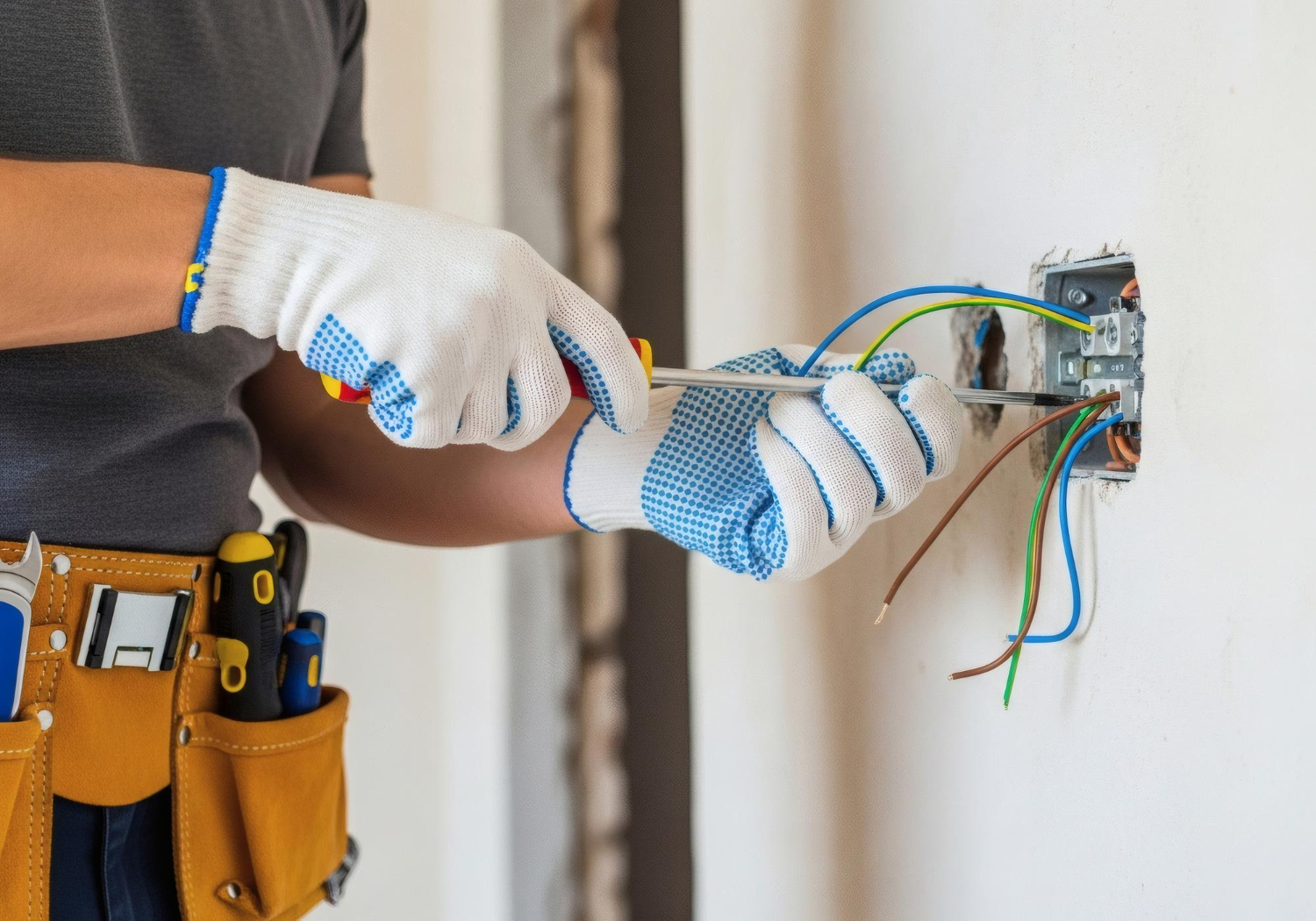
Replacing an outlet yourself might seem straightforward, but it does not address underlying electrical problems. A new outlet will not fix issues with damaged wiring, loose connections in your electrical box, or circuit overloads.
Licensed electricians can identify problems you cannot see. They test voltage levels, check wire gauge, inspect connections behind the outlet, and verify your electrical box meets current safety codes. Old aluminum wiring, reversed polarity, or missing ground wires all require professional correction.
Incorrect DIY replacement can create new hazards. Connecting wires to the wrong terminals, failing to secure connections properly, or using an outlet rated for the wrong amperage puts your home at risk. Most local codes require permits and inspections for electrical work, which only licensed professionals can obtain.
Determining whether your circuit is overloaded requires more than counting plugged-in devices. An electrician uses specialized tools to measure actual amperage draw and compare it to your circuit's rated capacity.
They will calculate the combined wattage of all devices on the circuit and check whether your breaker size matches your wire gauge. A 15-amp circuit should not regularly exceed 12 amps during normal use. If your circuit runs near its maximum capacity, adding even small devices can cause sparking and tripping.
An electrician can install dedicated circuits for high-draw appliances or split existing circuits to balance your electrical load. They will also check whether your service panel has capacity for additional circuits or needs an upgrade. A thorough electrical inspection covers all of these checks and gives you a clear picture of your system's condition.
Sparking outlets are not something to brush off or work around. A small, quick blue spark when you plug something in can be normal, but frequent sparks, large flashes, crackling sounds, warmth, or burning smells all mean something is wrong inside the outlet or the circuit behind it.
Older homes are more likely to have the conditions that cause dangerous sparking, from worn contacts and backstab wiring to undersized panels and circuits that were never designed for the way you use electricity today. Moisture, overloaded circuits, and aging components all make the problem worse over time.
If you've noticed any of the warning signs in this guide, stop using the outlet and turn off power to that circuit at your breaker panel. Then get a licensed electrician involved. The cost of diagnosing and repairing a sparking outlet is a fraction of what you'd face if that outlet starts a fire or damages your appliances. Contact Pleasant Valley Electric to schedule an inspection or repair. The team has been handling residential electrical work across Ithaca and Tompkins County since 1983, and they'll give you a straight answer on what needs to be fixed.
Whether you are dealing with flickering lights, outdated wiring, breaker problems, or planning a larger electrical upgrade, Pleasant Valley Electric is here to help. Our licensed electricians provide dependable service, honest recommendations, and fast response times throughout Ithaca and surrounding communities.
We call you back within 30 minutes during business hours.