4.9-Star Rated
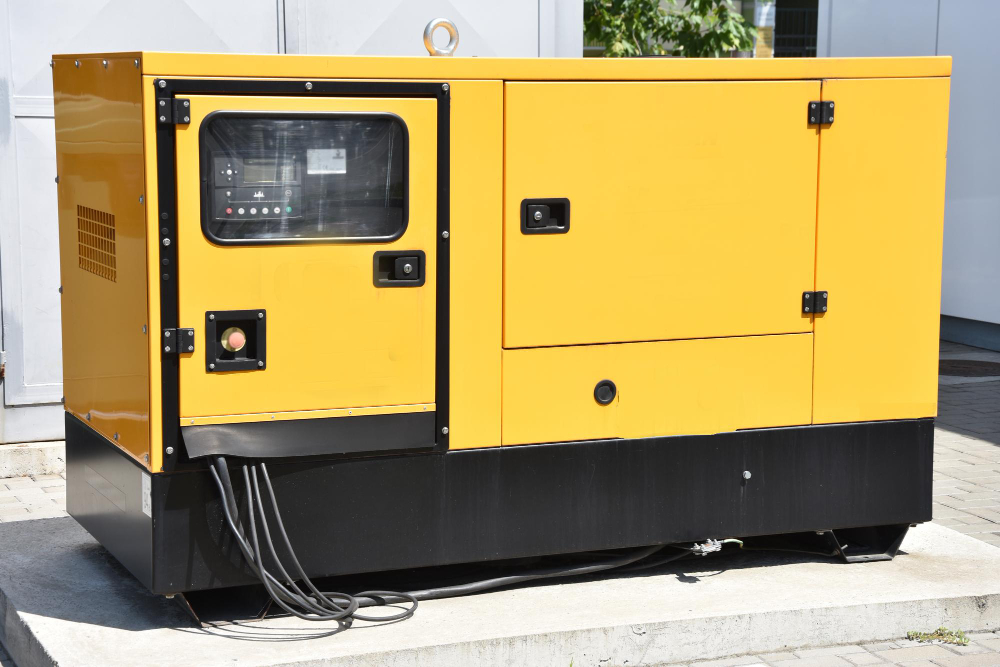
Power outages in Corning, NY do not follow a schedule, but summer storms are especially good at catching homeowners off guard. Generator maintenance in Corning, NY is what separates a backup system that starts on the first try from one that sits dead in the driveway when you need it most. A generator only earns its keep when it gets regular attention.
Many Corning residents learn this the hard way when their unit fails during a storm after sitting idle for months. According to the U.S. Energy Information Administration, major-event power interruptions averaged nearly nine hours per customer nationally in 2024, nearly double the average over the prior decade. The trend is clear: outages are lasting longer, and a well-maintained generator is no longer optional if you depend on backup power.
This guide covers what you need to know about keeping your generator ready to perform. You will learn how to prepare before summer storms arrive, recognize the warning signs of developing trouble, and understand why load testing matters more than most homeowners realize.
In this article, you will learn about:
Keep reading to make sure your backup power is ready before the next storm rolls through the Finger Lakes.
Summer storms in the Corning and Elmira area create power outages that can last hours or days. Testing and servicing your backup generator before severe weather arrives protects your home from extended downtime and prevents equipment failure when you actually need power.
Generator systems that sit unused for months develop mechanical and electrical problems. Fuel deteriorates, batteries lose charge, and internal components seize or corrode without regular operation.
June offers the best window to address these issues before storm season peaks in July and August. Scheduling service early means technicians have availability and can order parts without rush delays. Once widespread outages hit, every generator owner in the region calls at the same time.
Storm preparation also reveals whether your current system still provides enough power for your needs. You may have added appliances, a home office, or medical equipment since your last outage. Testing under load conditions shows whether your generator can actually handle the demand.
A professional inspection catches problems like:
Generators that have not run since last year's storm season typically face fuel-related problems first. Gasoline breaks down in roughly 30 days without stabilizer, forming varnish deposits that clog carburetors and fuel injectors.
Battery failure is the second most common issue. Batteries discharge naturally over time, and a dead battery prevents automatic transfer switches from engaging your generator when the power drops. Oil and coolant levels also fall through evaporation and minor leaks. Running a generator with low oil triggers shutdown sensors or, worse, causes permanent engine damage.
Rodents and insects frequently nest in idle generators, chewing through wiring and blocking ventilation. A visual inspection reveals nests, droppings, or damaged insulation before you attempt to start the unit. These problems are especially common in rural areas around Corning and Watkins Glen where wildlife activity stays high year-round.
Starting a generator for the first time during an actual emergency creates serious safety hazards. The U.S. Consumer Product Safety Commission reports that more than 100 people die in the U.S. each year from carbon monoxide poisoning linked to portable generators. Improper placement, exhaust leaks, and enclosed operation are the leading causes.
Electrical problems put your home at risk too. Faulty transfer switches can backfeed power into utility lines, endangering line crews working to restore service. Overloaded circuits create fire hazards when undersized generators struggle to power too many appliances at once.
Mechanical failures during storms leave you without alternatives. Parts take days to arrive, and repair technicians are handling dozens of emergency calls across the region. Testing ahead of time reveals load capacity limits so you know which circuits to prioritize and which appliances draw too much power together.
Regular maintenance keeps your generator ready to start when the grid goes down. Checking fuel systems, batteries, and electrical connections catches problems early, and replacing worn components prevents the kind of failures that leave you in the dark.
Your generator needs clean fuel to start reliably. Check fuel lines for cracks or leaks every few months. Fuel that has been sitting for more than six months should be drained and replaced, especially if no stabilizer was added.
Battery connections should be tight and free of corrosion. A weak battery is one of the most common reasons generators fail to start during an outage. Test your battery voltage with a multimeter to confirm it stays above 12.4 volts. If you find white or green buildup on the terminals, clean them with a wire brush and apply a corrosion-resistant coating.
Electrical connections loosen over time from vibration. Inspect all wire connections to the transfer switch and main panel. Look for signs of overheating such as discolored wires or burned insulation. Tighten any loose terminals you find.
Oil and filters break down with use and need regular replacement. Most generators require an oil change every 100 hours of operation or at least once per year. Dirty oil increases friction on internal engine parts and shortens the unit's lifespan.
Air filters trap dust and debris that would otherwise damage the engine. Replace yours annually, or more often if the generator sits in a dusty or pollen-heavy area. A clogged filter forces the engine to work harder and burn more fuel.
Spark plugs wear gradually and cause hard starts or rough running. Replace them on the manufacturer's schedule, typically every two years. Keeping a basic set of spare parts on hand, including an extra oil filter, air filter, and spark plugs, means you can handle minor maintenance quickly without waiting for a supply run.
Professional standby generator maintenance protects your investment and extends equipment life significantly. Well-maintained generators can run reliably for 20 to 30 years. Without regular professional service, major repairs become more frequent and more expensive.
A trained technician catches warning signs you are likely to miss, such as unusual sounds, vibration patterns, or subtle changes in exhaust color. They use specialized equipment to test load capacity, voltage output, and fuel system performance under conditions that replicate an actual outage.
The practical benefits of staying on a service schedule:
Generators usually give clear warning signs before they fail completely. Recognizing problems with starting behavior, unusual sounds, or declining performance during test runs lets you arrange repair before an emergency forces the issue.
A generator that struggles to start or needs multiple attempts is telling you something. You might notice the engine cranking slowly, failing to turn over, or starting briefly before shutting down after a few seconds.
The most common starting issues include:
Inconsistent operation is another red flag. A generator that starts fine sometimes but fails other times, or runs for a while before suddenly stopping, usually points to fuel delivery, ignition, or control system problems that will get worse before they get better.
Normal generator operation produces a steady hum and consistent vibration. Any change from that baseline deserves investigation.
Knocking or grinding sounds point to mechanical wear or loose internal components. Excessive vibration often means engine mounts have deteriorated or parts have become unbalanced. These issues cause additional damage if left alone, and the repair cost climbs the longer you wait.
Most modern generators include warning lights or digital displays. A check engine light, low oil pressure warning, or high temperature alert requires immediate attention. Ignoring these indicators risks complete engine damage.
Burning odors suggest electrical problems in the wiring or control panel. Fuel smells indicate leaks that create both fire and health hazards. Either smell warrants a shutdown and professional evaluation.
Monthly test runs reveal how well your generator handles load. Voltage fluctuations, frequency instability, or an inability to support the appliances it used to power easily all indicate declining performance.
You might notice lights dimming when certain equipment kicks on, or the generator straining to maintain output for loads it handled without trouble last year. Power output should remain stable throughout operation. Drops in voltage or power during testing mean the unit cannot reliably protect your home during an actual outage.
Generators that overheat quickly, burn through fuel faster than normal, or produce visible smoke need professional evaluation. These symptoms tend to worsen rapidly and often lead to complete breakdowns during the storms when you need backup power most.
Running your generator once a month confirms it will start, but that alone does not tell you whether it can carry your home's electrical load during a real outage. Proper testing goes deeper.
Load testing puts your generator through real-world conditions by applying an electrical load similar to what it would handle during an actual power failure. This process reveals whether the unit can maintain proper voltage and frequency under sustained stress.
The test typically runs the generator at 50 to 100 percent of its rated capacity for at least two hours. During that time, a technician monitors engine temperature, oil pressure, and exhaust systems while checking for abnormal vibrations or sounds.
What load testing accomplishes that a simple startup does not:
Without regular load testing, your generator may start reliably but fail to carry the full electrical demand when your home or business actually loses power.
The automatic transfer switch controls the connection between utility power and your generator. When grid power fails, this component detects the outage and signals your generator to start within seconds. If the switch fails, your generator may run perfectly but never deliver a watt to your building.
Testing the transfer switch involves verifying its ability to sense power loss and complete the transfer sequence in both directions: from utility to generator and back again. Technicians inspect the electrical contacts for signs of burning or pitting that could cause failure under load.
Critical inspection points on any transfer switch:
A faulty transfer switch is one of the most frustrating generator problems because everything else can be in perfect condition and you still get no power inside the building.
Routine testing uncovers issues that short monthly exercise cycles cannot reveal. Those brief no-load runs do not stress components enough to expose developing failures in the fuel system, cooling circuit, or electrical output.
A thorough generator inspection includes checking fluid levels, belt tension, and battery condition. Technicians look for fuel leaks, coolant system problems, and exhaust restrictions. They measure oil pressure and verify that safety shutdown systems engage properly.
The inspection should also cover rodent damage to wiring, error codes stored in the control panel, and corrosion on electrical terminals. Small issues like low coolant or a weak battery cell are easy to fix during a scheduled visit but can stop your generator cold during a storm.
Professional testing documents your generator's performance over time, creating a record that helps predict when major components will need replacement and supports warranty claims if equipment fails prematurely.
Regular maintenance keeps your generator ready to power your home when the grid fails. It also keeps repair costs predictable and extends the life of equipment that represents a significant investment.
Your backup system needs to work not just for the first hour of a power failure but for the duration, which can stretch to days during severe weather. According to the EIA, the average U.S. customer experienced about 1.5 power interruptions in 2024, and customers in states hit by major weather events dealt with outages lasting far longer than the national average.
During winter storms in the Corning and Big Flats area, extended outages leave homes without heat and refrigeration. A maintained generator keeps your heating system running, prevents frozen pipes, and protects the food in your refrigerator and freezer from spoiling. In summer, it keeps air conditioning and sump pumps operating during the severe thunderstorms that roll through the Finger Lakes.
Without regular maintenance, your generator may fail within the first few minutes of an outage. A simple problem like degraded fuel or a weak battery can leave your family without power when you need it most.
Preventive maintenance is what separates a generator that lasts two decades from one that needs replacement in under ten years. Regular oil changes keep engine parts lubricated and prevent excessive wear. Clean filters allow proper airflow and combustion.
The maintenance tasks that have the biggest impact on lifespan:
These tasks reduce stress on the engine and its supporting systems. Dirty oil creates friction that wears down internal parts. A clogged air filter forces the engine to overheat. Regular inspections also catch small problems, such as a loose belt or a minor fuel leak, before they escalate into a major failure that costs ten times more to fix.
A routine maintenance visit typically runs $150 to $300. An emergency repair during a power outage can cost $500 to $2,000 or more, and that is before accounting for the premium you pay for same-day response, after-hours labor, and rush-ordered parts.
Regular maintenance prevents most of those emergency situations. Technicians replace worn components before they fail and identify developing problems during normal business hours when scheduling is flexible and parts are readily available.
Scheduled service also means shorter wait times when you do need help. During widespread outages, repair companies handle dozens of emergency calls simultaneously. Homeowners without a maintenance history often wait days for a technician while their neighbors with maintained systems keep running.
A backup generator is only as reliable as the maintenance behind it. The time to find out whether your system works is during a scheduled service visit, not during a storm with the power already out.
Professional maintenance covers the things that fail most often, including fuel systems, batteries, transfer switches, and electrical connections, and load testing proves the unit can carry your home's actual demand. The cost of staying on a maintenance schedule is a fraction of what a single emergency repair bill looks like, and it is nothing compared to the cost of going without power during a multi-day outage.
If your generator has not been serviced since last storm season, or if you have never had a load test performed, now is the time to schedule one while technicians are available and parts are not backordered.
Pleasant Valley Electric has been serving Corning, the Finger Lakes, and the surrounding Tompkins County communities since 1983. Call (607) 272-6922 to schedule a generator inspection, maintenance visit, or load test before summer storms arrive.
Whether you are dealing with flickering lights, outdated wiring, breaker problems, or planning a larger electrical upgrade, Pleasant Valley Electric is here to help. Our licensed electricians provide dependable service, honest recommendations, and fast response times throughout Ithaca and surrounding communities.
We call you back within 30 minutes during business hours.