4.9-Star Rated
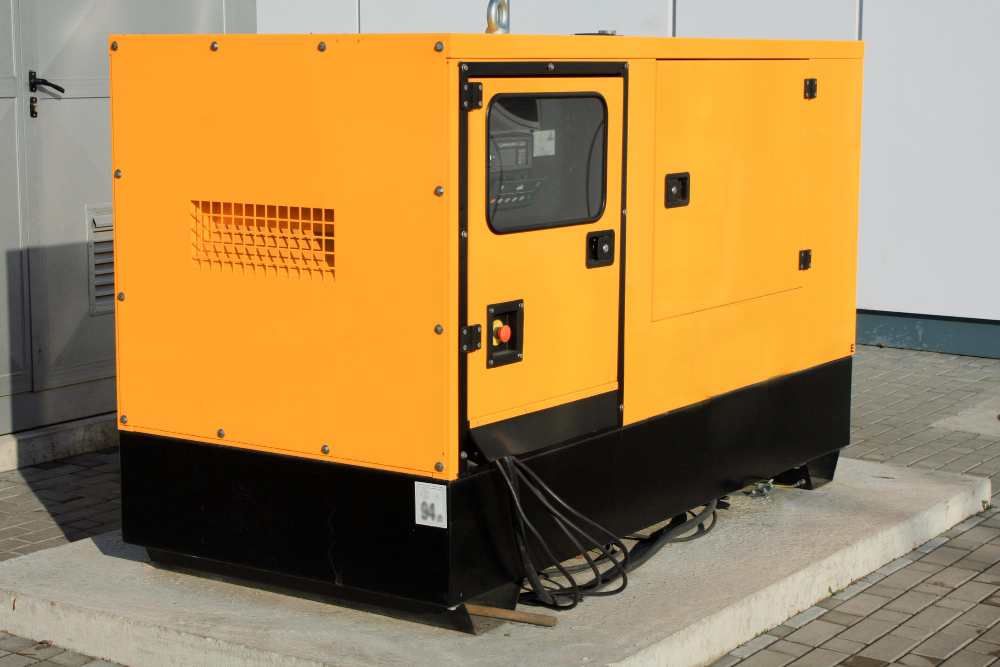
Power outages during summer storms can leave your home without electricity for hours or even days. Professional generator installation in Ithaca, NY provides automatic backup power that keeps your essential systems running when the grid goes down. A properly installed standby generator restores power within seconds of an outage, without you lifting a finger.
Your home's backup power needs depend on what you want to keep running when the lights go out. Some homeowners focus on basics like refrigeration and lighting, while others need power for medical equipment, home offices, or a full HVAC system. A professionally installed generator gives you control over which systems stay operational when storms hit.
Understanding your options helps you make the right choice for your home and budget. According to the U.S. Energy Information Administration, major-event power interruptions averaged nearly nine hours per customer nationally in 2024, nearly double the average over the prior decade. That trend makes backup power less of a luxury and more of a practical necessity. This guide covers how summer storms affect home power in the Finger Lakes, what to prioritize in your backup system, and why professional installation matters for safety and reliability.
In this article, you will learn about:
Keep reading to make sure you are prepared before the next storm rolls through.
Summer storms bring heavy rain, lightning, and high winds that frequently knock out power across the Ithaca area. When thunderstorms roll through the Finger Lakes region, they can leave homes without electricity for extended periods while utility crews work through a backlog of downed lines and damaged equipment.
Thunderstorms create multiple hazards for your electrical infrastructure. Lightning strikes damage transformers and power lines directly, while high winds knock tree branches onto utility equipment. Heavy rain saturates the ground, making trees more likely to uproot and pull down lines.
Summer storms move through quickly but hit hard. A single thunderstorm can affect multiple parts of the grid simultaneously. When that happens, utility crews must prioritize repairs, which means your neighborhood might wait hours or days for restoration. Wind gusts during severe thunderstorms often exceed 50 mph across the Finger Lakes, strong enough to break power poles and snap overhead lines.
Your refrigerator and freezer start warming up within hours of losing power. According to the USDA, a refrigerator keeps food safe for up to four hours during a power outage, while a full freezer maintains safe temperatures for roughly 48 hours, or 24 hours if it is only half full. After those windows close, you are looking at hundreds of dollars in spoiled food.
Sump pumps stop working immediately when the power goes out. If summer storms bring heavy rain to your property, your basement flooding risk spikes without a functioning pump. Water damage from a single flood event can cost thousands to remediate.
Medical equipment like CPAP machines, oxygen concentrators, and medication refrigerators need constant power. If anyone in your household depends on these devices, losing electricity is not just inconvenient, it is a health risk.
Well pumps require electricity to deliver water to your home. Without power, you lose access to running water for drinking, cooking, and sanitation.
Your heating and cooling systems shut down during a power loss. Summer temperatures in Ithaca can push into the 80s and 90s, making your home uncomfortable and potentially dangerous for young children and elderly family members.
Communication breaks down when your phone chargers and internet router go dark. Modern cordless phones need electricity, and cell phones eventually die without a way to recharge. Your security system, outdoor lighting, and electronic locks all depend on power to protect your property.
Daily routines become difficult without electricity. You cannot cook hot meals, do laundry, or maintain normal work schedules. Work-from-home arrangements collapse when your computer and internet connection go offline.
Before a generator electrician can recommend the right system, you need to determine which electrical loads matter most during an outage and whether you want full or partial backup coverage.
Your refrigerator and freezer rank at the top of the list to prevent food spoilage. Most homeowners also want their heating system covered, especially during winter months when power failures coincide with freezing temperatures.
Sump pumps become critical if you live in flood-prone areas or have a basement that collects water. Medical equipment requiring uninterrupted power is non-negotiable for households that depend on it.
Other common priorities include:
A whole-house generator powers your entire electrical panel, keeping every circuit active during an outage. This option eliminates the need to choose what stays on, but it requires a larger unit and a higher upfront investment.
Partial-home backup powers only the circuits you identify as essential. You can prioritize specific rooms, appliances, or equipment while reducing generator size and fuel consumption. This approach works well for budget-conscious homeowners or those with modest power needs.
The choice depends on your household size, your lifestyle requirements, and how much you are willing to spend on equipment and fuel. A licensed electrician walks you through both options based on your actual load.
Your home's total electrical load determines the minimum generator capacity needed. Licensed electricians perform a load analysis by examining your electrical panel, calculating amperage requirements, and measuring the starting watts of motors and compressors.
Climate affects sizing because heating systems draw substantial power in winter while air conditioning creates high demand in summer. Your fuel source matters too, as natural gas generators often need larger capacity than propane units to deliver equivalent output.
Key sizing factors include:
Starting watts for appliances with motors, such as your AC compressor, sump pump, and well pump, exceed their running watts by two to three times. A proper load calculation accounts for this surge demand so the generator does not stall under real-world conditions.
Working with a licensed electrician for your generator installation ensures proper electrical integration, safe placement, and reliable performance over the long term. Professional installation addresses safety requirements and local codes that protect your property and your family.
Your home's electrical system needs careful assessment before installation can start. A generator electrician calculates your total power load to determine the correct generator size, reviewing your panel's amperage, circuit layout, and the specific appliances you want powered during an outage.
The transfer switch is the critical component that prevents backfeeding electricity into utility lines, a dangerous condition that can injure line crews working to restore power. The U.S. Consumer Product Safety Commission reports that more than 100 people die annually from carbon monoxide poisoning linked to portable generators, many during storm-related outages. A professionally installed standby generator with an automatic transfer switch eliminates the CO risk entirely because the unit sits outside and connects permanently to your home's electrical system.
Your electrician also verifies that your panel can handle the generator connection and makes necessary upgrades to breakers or wiring. Gas line requirements vary depending on whether you choose natural gas or propane, and the installer coordinates with gas professionals to ensure proper fuel line sizing and pressure.
Generator placement must meet specific clearance requirements from your home, property lines, and windows. Most codes require at least 5 feet from any opening and 18 to 24 inches from walls for proper ventilation. Your installer evaluates drainage patterns to prevent water from accumulating around the unit.
Local permits and inspections are mandatory for standby generator installations in Ithaca and across Tompkins County. Professional installers handle permit applications and schedule required inspections with building departments. They understand current National Electrical Code standards and New York State regulations governing these installations.
Noise ordinances also affect placement. Installers position units to minimize sound impact on neighbors while maintaining the safe distances code requires from structures and air intakes.
Proper installation directly affects how reliably your generator performs during actual outages. Licensed electricians make precise electrical connections that prevent voltage fluctuations and equipment damage. They test the automatic transfer switch to confirm it activates within seconds of detecting power loss.
Professional installers also complete the initial startup procedures that manufacturer warranties require. They verify fuel connections, check oil levels, and run diagnostic tests to confirm every system functions correctly. This documentation protects your warranty coverage if future repairs become necessary.
Routine maintenance starts easier when the original installation follows manufacturer specifications. Your electrician programs monitoring systems and provides guidance on the checks you should perform between professional service visits.
A standby generator protects your home's essential functions during power outages. It keeps food safe, maintains livable temperatures, and shields valuable equipment from the electrical damage that comes with power cycling.
Your refrigerator and freezer need continuous power to keep food at safe temperatures. The USDA advises that perishable refrigerated food, including meat, poultry, fish, eggs, and leftovers, must be discarded after four hours without power. Those timeframes shrink every time you open the door to check on items.
A power outage lasting more than a day can destroy hundreds of dollars worth of groceries and frozen meals. A backup generator keeps your refrigeration running without interruption, preventing bacterial growth in perishable items and eliminating the expense of restocking your kitchen.
Special considerations apply if anyone in your household requires refrigerated medications. Insulin and many prescription drugs lose their effectiveness when stored at improper temperatures. Generator power maintains the correct storage conditions for these critical supplies.
Ithaca experiences humid summer conditions that drive indoor temperatures up rapidly without air conditioning. When power fails during hot weather, your home can become uncomfortable within hours and potentially unsafe for vulnerable household members.
Young children, elderly family members, and people with certain health conditions face serious risks from sustained heat exposure. Indoor temperatures can exceed outdoor readings when a closed-up building traps warmth and humidity builds.
Your backup generator powers your air conditioning system to maintain safe indoor temperatures. It also runs fans and dehumidifiers to keep air moving and moisture levels down. This protection matters most during the severe weather events that are also most likely to cause the outage in the first place.
Modern homes contain expensive electronics that suffer damage during power surges and repeated cycling. Computers, televisions, smart home systems, and networked devices all need stable power to function correctly and avoid damage.
A standby generator with an automatic transfer switch provides clean, steady power that prevents the voltage spikes occurring when grid power returns unpredictably. This protection extends the lifespan of your electronics and prevents costly replacements.
Your security system, internet connection, and phone service also stay operational, keeping you connected and protected during emergencies. Sump pumps continue running to prevent basement flooding, and well pumps maintain your water supply throughout the outage.
Regular maintenance is what separates a generator that starts on the first try from one that sits dead when you need it most. Testing and inspection catch developing problems before they cause failures during actual outages.
Your generator needs oil changes every 50 to 100 hours of operation or at least once per year. Fresh oil protects the engine and prevents the buildup that causes starting problems.
A complete maintenance routine includes:
Running the generator monthly without load does not provide the same benefit as a loaded test. The engine needs to work under demand to stay ready for real-world conditions.
Strange sounds like knocking, rattling, or grinding indicate internal wear that needs attention before it becomes an expensive failure. If your generator starts but cannot hold a steady load, the voltage regulator or capacitor may be failing. You will notice lights dimming or appliances shutting off unexpectedly.
Difficulty starting or requiring multiple attempts to turn over points to battery problems, fouled spark plugs, or fuel system issues. These problems only get worse with time.
Excessive smoke or unusual smells signal oil leaks, fuel mixture problems, or overheating. Blue smoke means the engine is burning oil, while black smoke suggests the fuel mixture is too rich. Either condition warrants a professional evaluation.
When severe weather is forecast, run a full load test two days in advance. This gives you time to address any problems before you actually need backup power.
Preparation steps before a storm:
A standby generator is the kind of investment you appreciate most on the worst day of the year: when the power goes out, the rain is still coming, and everything in your freezer is on a timer. Getting the installation right means the system starts automatically, powers what you need, and runs reliably for the duration of the outage without creating safety hazards or code violations.
Professional installation covers the details that determine whether the generator actually performs when it counts: proper sizing based on a real load calculation, a transfer switch that prevents backfeed, code-compliant placement, and the manufacturer startup procedures that keep your warranty intact. Skipping any of those steps means gambling on equipment that may not be there for you when it matters.
If you have been thinking about backup power for your Ithaca home, or if you already have a generator that has not been inspected or tested recently, the time to act is before storm season is in full swing, not during the first outage.
Pleasant Valley Electric has been installing and servicing generators across Ithaca and Tompkins County since 1983. Call (607) 272-6922 to schedule a generator consultation, installation, or maintenance visit.
Whether you are dealing with flickering lights, outdated wiring, breaker problems, or planning a larger electrical upgrade, Pleasant Valley Electric is here to help. Our licensed electricians provide dependable service, honest recommendations, and fast response times throughout Ithaca and surrounding communities.
We call you back within 30 minutes during business hours.