4.9-Star Rated
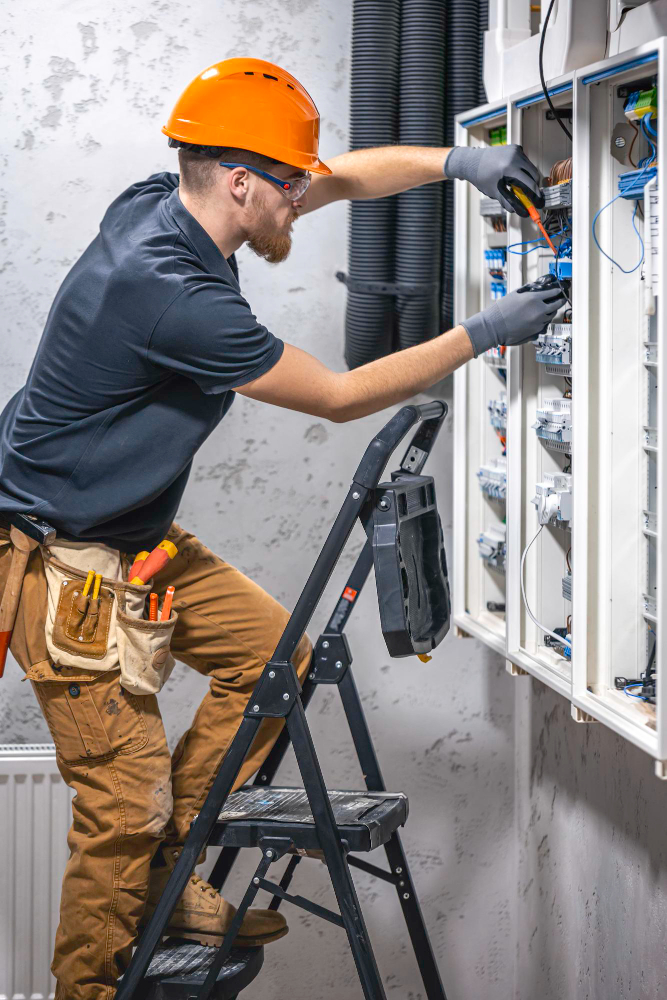
Electrical problems don't wait for convenient times to happen. A burning smell from an outlet, sparks from a switch, or a complete power outage can put your home and family at risk within minutes. Emergency electrical service in Ithaca provides around-the-clock response to dangerous electrical failures, helping you avoid fires, shocks, and extended power loss.
You need to know which electrical problems require immediate professional help and which ones can wait. Some issues start small but grow into serious hazards fast. Understanding the warning signs helps you act quickly and call for emergency help before a minor problem becomes a major crisis.
Licensed electricians in Ithaca and Tompkins County handle urgent repairs around the clock, from arcing panels to compromised wiring. This guide covers the most common electrical emergencies, what causes sudden power failures, and why delaying repairs puts your property and safety in danger.
In this article, you will learn about:
Keep reading to understand which electrical problems are true emergencies so you can protect your home, your family, and your property when seconds matter.
Electrical problems rarely stay contained for long. Burning smells, buzzing sounds, and visible sparks all point to issues that can turn into fires or complete system failures within hours if you don't address them.
A burning smell coming from your outlets means something is overheating right now. This happens when loose wire connections create resistance, which generates heat. The plastic insulation around the wires starts melting, creating that distinct odor.
Stop using the outlet immediately and cut power to that circuit at your breaker panel. The longer wires overheat, the more insulation burns away. Exposed wires can arc and ignite nearby materials like drywall or wood framing.
Old outlets with worn internal components also produce burning smells when they can't handle the electrical load anymore. This is especially common in homes built before 1980 where outlets haven't been updated. The smell might seem minor at first, but it signals active damage happening inside your walls.
Your breaker panel should operate silently. A buzzing or humming sound means electrical current is flowing where it shouldn't be. Loose connections inside the panel create small gaps that electricity tries to jump across, which produces the buzzing.
These loose connections generate heat that can melt bus bars and wire terminals. Once metal components start warping from heat, the problem compounds quickly. What starts as a quiet buzz can turn into a loud hum within days as connections deteriorate further.
Buzzing can also indicate a breaker that's gone bad and no longer trips properly when overloaded. This defeats the entire safety purpose of having a breaker. Your panel might be struggling to handle your home's electrical demand, especially if you've added new appliances without upgrading the panel capacity.
Small sparks when you plug something in can be normal, but repeated sparking or large sparks signal immediate danger. The metal contacts inside your outlet have likely worn down or loosened. When electricity has to jump even a tiny gap, it creates visible sparks.
According to the Electrical Safety Foundation International, arcing faults are responsible for starting more than 28,000 home fires each year in the United States, causing hundreds of deaths and injuries and over $700 million in property damage. Any dust, lint, or debris inside the outlet can ignite from these arcs almost instantly.
Sparking also indicates short circuits where hot and neutral wires touch incorrectly, which draws massive current that your breaker might not catch fast enough. Water damage near outlets makes sparking even more dangerous because moisture conducts electricity to the metal outlet box and surrounding materials. Never attempt to use an outlet that sparks regularly, even if it still powers your devices.
Power loss in your home can stem from damaged circuits affecting specific areas, storm-related electrical damage that may not be visible, or overloaded systems that keep tripping your breakers. Understanding which problem you're facing helps you explain the situation clearly when you contact an electrician.
When only part of your home loses power while other areas work normally, you likely have a damaged circuit. This happens when one circuit fails while the rest of your electrical system continues operating.
You might notice lights working in your living room but not in your bedroom. Or your kitchen outlets stop working while your refrigerator on a different circuit runs fine.
Common signs of circuit damage include:
Circuit damage often occurs at connection points inside your electrical panel or along the wiring path. Loose connections, corroded wires, or physical damage to cables can interrupt power flow to specific circuits. Never attempt to repair circuit damage yourself since working inside electrical panels creates serious safety risks.
Severe weather can damage your electrical system in ways you can't see from the outside. Heavy winds, lightning strikes, and falling debris affect both outdoor and indoor components.
Water entering your electrical panel during storms creates immediate dangers. Lightning can surge through your system and damage wiring inside walls. Fallen branches might pull your service line loose without completely disconnecting it.
Your breaker panel might look fine even when storm damage has occurred. Hidden problems include burned wires behind walls, damaged underground cables, or compromised connections where power enters your home. These issues often cause intermittent power loss or unusual electrical behavior days after the storm passes. Having a whole-home generator as a backup helps keep critical systems running while an electrician assesses storm damage.
When your breaker keeps tripping after you reset it, your electrical system is handling more power than it was designed for. Circuit breakers trip to protect your wiring from overheating and causing fires.
An overloaded system happens when you plug too many devices into outlets on the same circuit. Running a space heater, microwave, and coffee maker simultaneously on one circuit often exceeds its capacity. Older homes with outdated wiring face this problem more frequently since they weren't built for modern electrical demands.
You might also have a specific appliance drawing too much power or developing an electrical fault. If the same breaker trips repeatedly even with normal use, the circuit itself may be failing or incorrectly sized for the connected load.
Winter weather and nighttime conditions in Ithaca create specific electrical dangers that require immediate professional attention. Cold temperatures strain heating systems while darkness makes it harder to identify outdoor damage or safety issues.
Your furnace, heat pump, or electric baseboard heaters need consistent power to keep your home warm during Ithaca winters. When electrical problems interrupt your heating system, temperatures inside your home can drop quickly, especially when outdoor temperatures fall below freezing.
Electrical issues affecting your heating system include tripped breakers, faulty wiring connections, and thermostat malfunctions. These problems can shut down your heat completely or cause your system to run inefficiently.
After-hours electrical service becomes critical when heating failures occur at night or during weekends. Without heat, your pipes can freeze and burst, causing thousands of dollars in water damage. Licensed electricians can restore power to your heating system and check for underlying electrical problems that might cause future failures.
Winter storms bring ice, snow, and high winds that damage power lines and electrical equipment throughout Ithaca and the surrounding communities, from Trumansburg and Cortland to Big Flats and Watkins Glen. Heavy snow loads can pull down service lines, while ice accumulation causes branches to fall on electrical infrastructure.
Common storm-related electrical hazards include:
Never approach downed power lines or attempt repairs during active storms. Emergency electricians have the training and equipment to safely assess storm damage and restore power to your home.
Darkness hides electrical problems on the exterior of your home that would be obvious during daylight hours. You might not notice damaged conduit, exposed wiring, or broken outdoor fixtures until they create immediate safety risks.
Sparking outlets, burning smells, or flickering outdoor lights indicate serious problems that need immediate attention. The U.S. Fire Administration reports that electrical fire incidence is highest during winter months, with January accounting for 12 percent of residential electrical fires. The combination of increased electrical demand, dry indoor air, and reduced visibility creates conditions where hazards develop and go unnoticed longer.
Water conducts electricity and creates serious hazards when it contacts electrical systems in your home. Even small amounts of moisture can turn normally safe electrical components into life-threatening dangers.
A flooded basement puts you at risk of electric shock because water can reach outlets, circuit breakers, and appliances that are still receiving power. The water acts as a conductor, spreading electrical current throughout the flooded area.
Never enter a flooded basement if you can see outlets or electrical equipment submerged or partially underwater. Standing water can become energized by faulty wiring or damaged electrical panels. The current can travel through the water and into your body, causing paralysis or death.
Your circuit breaker panel needs immediate attention if it has been exposed to flooding. Water damage can cause breakers to malfunction or fail completely. These damaged components may not trip when they should, leaving circuits energized even when dangerous conditions exist.
Call an emergency electrician before entering any flooded area with electrical systems. They can safely shut off power at the main service entrance and assess damage to your electrical infrastructure.
Touching wet electrical outlets or exposed wiring can send current directly through your body. Your skin's natural resistance drops significantly when wet, making you more vulnerable to electric shock.
Water inside outlet boxes can create hidden dangers even after visible moisture dries. Trapped moisture corrodes connections and creates conditions for electrical arcing. These damaged outlets may work normally at first but can cause shocks, sparks, or fires later.
Keep electrical cords and devices away from any water source. Even a small amount of water on a plug can cause a short circuit when you insert it into an outlet. According to the CPSC, if every household installed ground-fault circuit interrupters, deaths from electrocution in and around the home could be cut in half.
GFCI outlets protect you by cutting power within milliseconds when they detect electrical leakage. However, significant water damage can compromise their internal components and prevent them from functioning properly.
Your GFCI outlets need replacement, not just testing, after flooding or major water exposure. Internal corrosion may allow them to pass a test button check while still failing to provide actual protection during a real ground fault.
Water-damaged GFCI outlets may also fail to reset or may trip repeatedly. These signs indicate the device has sustained damage and cannot reliably protect you from electric shock.
Electrical problems don't fix themselves. When you put off urgent electrical repairs, minor issues turn into major hazards that threaten your property and safety.
A single damaged wire can create problems throughout your electrical system. When insulation wears down or connections loosen, electricity doesn't flow properly through the affected circuit.
Heat builds up at these weak points. This extra heat damages nearby wires and connections that were working fine before. What started as one bad connection can spread to multiple circuits in your home.
You might notice lights flickering in different rooms or outlets that stop working one by one. These are signs that wiring damage is moving through your system. The longer you wait, the more circuits get affected.
Damaged wiring also creates hot spots in your walls. These hot spots weaken the insulation on other wires nearby. Within weeks, a small section of bad wiring can compromise an entire branch of your electrical system.
Your electrical panel and appliances suffer when problems go unfixed. Unstable power flow causes voltage spikes and drops that wear down sensitive electronics and motors.
Refrigerators, HVAC systems, and computers need steady electricity to work properly. When your wiring is damaged, these appliances work harder to compensate for irregular power. This extra strain shortens their lifespan and leads to expensive replacements.
Your breaker panel takes the brunt of electrical faults. Breakers that trip repeatedly wear out faster than normal. Loose connections in the panel create arcing, which damages bus bars and breaker contacts.
Electrical fires start from problems that seem small at first. Arcing wires, overheated connections, and faulty breakers all generate enough heat to ignite nearby materials. According to the U.S. Fire Administration, residential electrical malfunction fires caused an estimated 23,700 fires, 305 deaths, and over $1.5 billion in property damage in 2023 alone.
Most electrical fires happen inside walls where you can't see them starting. By the time you notice smoke, the fire has already spread. Emergency electricians find these hidden dangers before they become disasters.
Professional repairs stop the conditions that lead to fires. Licensed electricians identify overloaded circuits, fix loose connections, and replace damaged components. They use thermal imaging and testing equipment to find hot spots you can't detect on your own. Pairing emergency repairs with a fire alarm system adds a second layer of protection in case a hidden fault develops between inspections.
When an electrical emergency strikes, licensed electricians follow specific steps to isolate hazards, diagnose problems accurately, and implement lasting repairs that prevent future issues.
The first priority during any emergency call is protecting people and property from immediate danger. A licensed electrician will arrive equipped to shut down power to affected areas without disrupting your entire electrical system.
They start by identifying which circuits are causing problems. Using specialized tools and safety equipment, they can work on live systems when necessary while minimizing risk. This isolation process prevents fires, stops ongoing damage to appliances, and eliminates shock hazards.
Your electrician will also assess whether the main panel needs attention or if the problem is limited to specific branch circuits. They check for signs of overheating, damaged wiring, or faulty breakers that could indicate deeper issues. This careful evaluation ensures nothing gets overlooked that could cause problems later.
Once hazards are controlled, the electrician focuses on finding the root cause of your power loss or electrical malfunction. They use diagnostic equipment like multimeters and circuit analyzers to trace problems through your wiring system.
An experienced emergency electrician knows how to quickly narrow down potential causes. They check for tripped breakers, blown fuses, damaged outlets, and faulty switches. They also look for less obvious issues like loose connections, corroded wires, or overloaded circuits.
This systematic approach saves time compared to guessing. The electrician tests each component in the affected circuit path until they pinpoint exactly what failed. Many problems can be resolved during the same visit once the cause is identified.
After diagnosing the issue, your electrician makes repairs using code-compliant materials and techniques. They replace damaged components with properly rated parts that match your system's specifications.
The repair process often includes addressing underlying conditions that contributed to the failure. If an outlet burned out because of a loose connection, they'll tighten all connections in that circuit. If a breaker tripped due to overload, they'll discuss adding dedicated circuits for high-draw appliances or upgrading your panel.
Quality repairs involve more than just swapping parts. Electricians secure all connections properly, ensure adequate wire gauge for the load, and verify that ground fault protection works correctly. They test the repaired circuit under load before leaving to confirm everything functions safely.
Electrical emergencies are not problems you can sleep on. A burning smell, a sparking outlet, a panel that's buzzing, or a sudden loss of power all need a licensed electrician, and they need one now. The longer you wait, the more damage spreads through your system and the higher the risk of fire, shock, or equipment loss.
Ithaca winters make the stakes even higher. A heating failure at 2 a.m. in January isn't just uncomfortable, it puts your pipes and your family at risk. Storm damage can hide behind walls for days before it shows itself. And water in the wrong place turns a manageable electrical problem into a dangerous one.
If you're dealing with an active electrical hazard or just noticed something that doesn't look right, don't try to diagnose it yourself. Contact Pleasant Valley Electric for 24-hour emergency electrical service across Ithaca and Tompkins County. The team has been handling urgent electrical repairs in this area since 1983, and when you call, you reach a real person every time.
Whether you are dealing with flickering lights, outdated wiring, breaker problems, or planning a larger electrical upgrade, Pleasant Valley Electric is here to help. Our licensed electricians provide dependable service, honest recommendations, and fast response times throughout Ithaca and surrounding communities.
We call you back within 30 minutes during business hours.