4.9-Star Rated
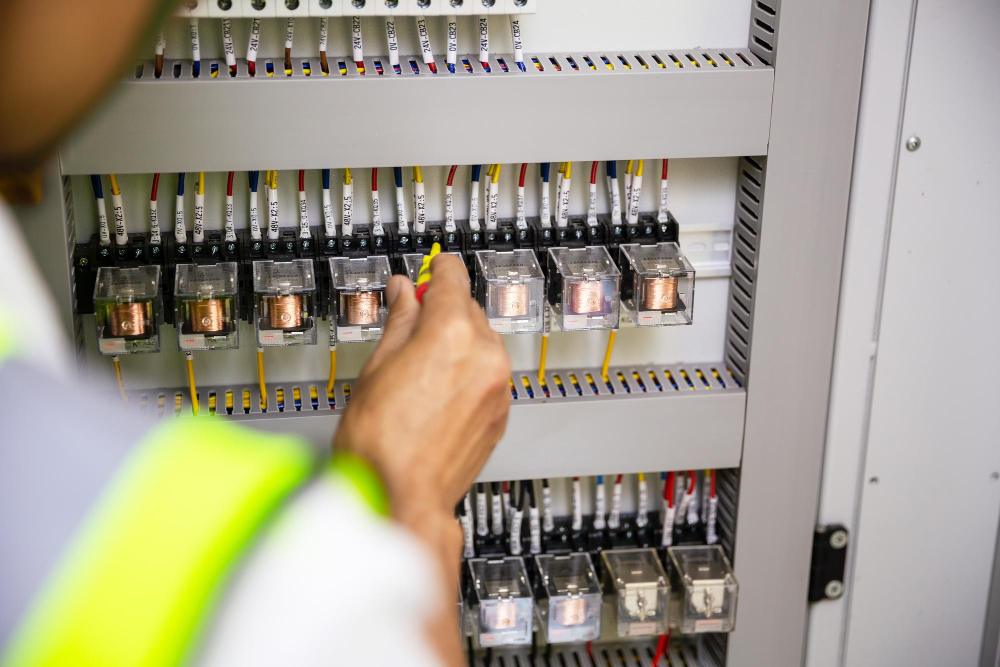
Your home's electrical panel controls how power flows to every room, outlet, and appliance you use. If your panel is outdated or overloaded, it causes frequent breaker trips, flickering lights, and real safety hazards. Many homes in Corning were built with 100-amp panels that cannot keep up with today's demands, including electric vehicle chargers, modern HVAC systems, and home offices drawing power all day.
An electrical panel upgrade in Corning, NY increases your home's capacity, improves safety, and brings your system in line with current electrical codes. Older panels were not designed for the amount of electricity modern households consume. When you upgrade, you give your home the power it needs to run without constant interruptions or risk.
This guide helps you understand when an upgrade is necessary and what the process involves. You will learn how to recognize the warning signs, what modern electrical demands actually require from your panel, and how to make sure the work is done safely and correctly.
In this article, you will learn about:
Keep reading to find out whether your panel is holding your home back and what the right upgrade looks like.
Older homes in the Corning and Elmira area were built when household electricity demands were a fraction of what they are today. The gap between what these systems can handle and what modern life requires creates safety risks and performance problems that only get worse over time.
A home built in the 1960s or 1970s typically had a 60-amp or 100-amp electrical panel designed to power basic lighting, a refrigerator, a television, and a few small appliances. Today, your home likely runs multiple computers, smartphones charging continuously, smart home devices, an HVAC system, and energy-intensive kitchen equipment.
Each new device adds to the load your panel must distribute. When you plug in a laptop, turn on the microwave, and start the dishwasher simultaneously, you draw far more power than the original system was built to handle. Modern families routinely own 25 or more devices that need regular charging, compared to just a handful a few decades ago.
An overloaded panel occurs when total electrical demand exceeds what the system can safely distribute. Older panels lack the amperage to power all the circuits in your home at once during peak use.
When circuits exceed their limits, breakers trip repeatedly. Some homeowners respond by installing larger breakers or daisy-chaining extension cords, both of which create serious fire hazards. The wiring behind the walls may also be outdated, with insulation that has deteriorated or gauge sizes too small for current loads.
Panels installed before modern building codes often lack ground fault circuit interrupters and arc fault circuit interrupters, safety features now required by the National Electrical Code. According to the U.S. Fire Administration, an estimated 24,200 residential electrical fires were reported to fire departments in 2021, causing 295 deaths and more than $1.2 billion in property damage. Many of those fires trace back to aging electrical systems carrying loads they were never designed for. A home panel upgrade replaces these inadequate systems with panels rated for 200 amps or more, providing enough capacity for current needs and future expansion.
Your home gives clear signals when the electrical system cannot keep up. Breakers that trip frequently indicate circuits carrying more load than they should. Lights that dim when you start a major appliance mean voltage drops are occurring across the system.
Outlets or switch plates that feel warm suggest dangerous heat buildup in the wiring. A burning smell near the panel or from outlets requires immediate attention. You might also notice flickering lights, buzzing sounds from the panel, or outlets that work only intermittently.
If your panel still uses fuses instead of circuit breakers, or if you see rust, corrosion, or scorch marks on the panel itself, replacement is necessary. Homes with Federal Pacific Stab-Lok or Zinsco panels deserve special attention, as these brands have a documented history of breakers failing to trip during overloads. The U.S. Consumer Product Safety Commission investigated Federal Pacific breakers in the early 1980s and found significant failure rates in testing, and Zinsco breakers are known to overheat and fuse to the bus bar, preventing them from ever tripping. If your home has either brand, professional evaluation is not optional.
Your electrical panel shows clear warning signs when it cannot keep up with your home's power needs or when internal components start failing. These problems range from daily annoyances to serious safety hazards that need fast action.
A circuit breaker that trips occasionally is doing what it was designed to do. But when the same breaker trips multiple times per week, something is wrong. Your circuit may be overloaded with too many devices drawing power at once, which happens often in older homes where a single 15-amp circuit tries to handle a microwave, coffee maker, and toaster simultaneously.
The breaker itself may also be worn out. Internal components weaken after years of cycling. A breaker that feels hot to the touch or will not reset properly has reached the end of its usable life.
Sometimes the issue is not a single breaker but your panel's total capacity. If your home runs on a 100-amp service panel, you are working with a system that was designed for homes using far less electricity than yours does today. Modern appliances, computers, and charging equipment create demands these older panels cannot handle safely.
Lights that flicker when you turn on your air conditioner or hair dryer point to voltage drops in your electrical system. Your panel struggles to distribute power evenly when certain high-draw appliances start up, and the problem gets worse as you add more devices.
Flickering across multiple rooms at once suggests a panel-level issue rather than a bad bulb or loose fixture. Your panel's bus bars may have poor connections, or the main breaker could be failing. These conditions create resistance in the electrical flow that shows up as dimming or flickering throughout the house.
You may also notice the problem more during peak usage times, early morning or evening, when multiple circuits are active. That pattern confirms your panel cannot meet your household's total demand.
A burning smell near your electrical panel is an emergency. This odor typically comes from overheating wires, melting insulation, or scorched connections inside the panel. Turn off your main breaker and call an electrician immediately.
Other signs that require urgent attention:
Any of these conditions means your panel has damage that creates fire risk. Corrosion allows moisture into electrical connections, which causes arcing and heat buildup. Buzzing sounds indicate loose connections or failing breakers that can no longer control electrical flow properly.
A breaker panel upgrade gives your electrical system the capacity to handle everything you run today and the headroom for what you will add in the coming years. The improvement shows up in daily performance and long-term safety.
Today's homes run multiple high-power devices simultaneously. Your panel needs enough capacity to handle air conditioning, an electric range, a washer and dryer, and dozens of smaller electronics without overloading.
Older 100-amp panels were designed for a different era. They struggle when you add modern equipment like tankless water heaters, induction cooktops, or upgraded HVAC systems. These devices often require dedicated circuits with significant amperage.
A 200-amp panel gives your home room to operate everything safely. Breakers stop tripping when you run multiple appliances, and lights stop dimming when the air conditioner kicks on. Smart home devices, security cameras, and home automation systems all add to your load as well, and while each draws relatively little power, they add up across your entire home.
Electric vehicle chargers are one of the most common reasons for panel upgrades. A Level 2 charger needs a dedicated 40 to 50 amp circuit to charge your vehicle overnight.
Most 100-amp panels cannot safely absorb that additional load. Your existing circuits already use much of the available capacity, and adding an EV charger without upgrading creates dangerous overload conditions. The same applies if you plan to install solar panels, add a workshop, or finish a basement.
Upgrading to a 200-amp panel gives you the capacity for current needs and the open breaker slots for future additions. Planning ahead saves money, because one comprehensive upgrade costs significantly less than multiple smaller projects spread over time. A panel assessment that accounts for your EV charging plans and other anticipated additions ensures you size the system correctly the first time.
An undersized panel forces your electrical system to work harder than it should. Circuits run closer to their maximum rating, generating more heat and wearing out components faster.
When circuits operate near their limits, connections overheat. That creates fire hazards and damages your wiring over time. A properly sized panel distributes load more evenly so each circuit operates well within safe parameters. This reduces wear on wiring and breakers and extends the life of your entire electrical system.
The performance difference is noticeable. Appliances run more efficiently with stable power, and you stop experiencing the sluggish startup, dim lights, and breaker interruptions that signal a panel under strain.
A proper electrical panel replacement requires careful assessment of your power needs, correctly sized equipment, and professional installation that meets all applicable safety codes. Cutting corners at any stage creates problems that are expensive to fix later.
Before any upgrade begins, a licensed electrician calculates your actual power requirements. This involves documenting every circuit, appliance, and device drawing electricity in your home.
The electrician totals the wattage of major appliances, your HVAC system, water heater, range, and refrigerator, then accounts for lighting, outlets, and any special equipment. If you plan to add an EV charger, heat pump, or backup generator, those future loads get included in the calculation as well.
Most older homes in Corning and the surrounding Big Flats and Watkins Glen area were built with 100-amp panels. Modern households typically need 200-amp service to power everything safely. A proper load calculation prevents two common mistakes: installing a panel too small for your actual needs, or paying for capacity you will never use.
Once the load calculation is complete, your electrician recommends the right panel size. The most common residential upgrade moves from 100-amp to 200-amp service, which handles typical modern demands with room to spare.
Your electrician determines how many circuit spaces you need for current and future circuits. A standard residential panel typically has 40 spaces, though your home may require more or fewer depending on its size and the number of dedicated circuits required.
Panel location matters. It must be easily accessible, positioned at least three feet from water sources, and kept clear of furniture or storage. If your current panel sits in a poor location, the upgrade provides an opportunity to relocate it to a more accessible spot.
Licensed electricians follow the National Electrical Code and local regulations during installation. These codes exist to prevent fires, shocks, and equipment damage. Proper installation means correct wire sizing, secure connections, appropriate breaker ratings, and adequate grounding throughout the system.
A code-compliant installation passes inspection on the first attempt. That matters because your insurance company may require proof that the work was done correctly. Some insurers will not cover homes with outdated or improperly installed panels, and non-compliant work can create problems during a home sale.
Quality installation also prevents repeat failures. When connections are tight and components are correctly rated, your panel operates reliably for decades. Poor installation leads to overheating, tripped breakers, and potentially dangerous conditions that require expensive corrections down the road.
An upgraded panel eliminates the common power issues that have been part of daily life and creates a stable electrical foundation. The improvement shows up as fewer disruptions, better energy distribution, and confidence that your system can handle whatever you plug into it.
Older panels in Corning homes struggle with modern loads. When a panel reaches capacity, breakers trip frequently, lights flicker, and appliances run poorly. These interruptions are more than inconvenient; they signal that the system cannot safely manage your electrical needs.
A panel upgrade replaces worn components that no longer protect your home correctly. Old breakers sometimes stop tripping when they should, which creates fire hazards rather than preventing them. The NFPA reports that electrical wire or cable insulation was the item first ignited in 38 percent of home fires involving electrical distribution and lighting equipment, a statistic driven largely by systems that were allowed to overheat because breakers failed to do their job. New panels include modern breakers that respond accurately and quickly to overloads and short circuits.
The upgrade also addresses loose connections and corroded wiring inside the panel. These problems cause arcing and overheating that lead to outages and fire risk. Fresh connections and properly sized breakers keep the system operating within safe parameters.
Your upgraded panel distributes electricity evenly throughout the home. That balanced distribution prevents the voltage drops that damage sensitive electronics and shorten appliance lifespan. Devices run at their intended power levels without straining against an inadequate supply.
Modern panels accommodate dedicated circuits for high-draw appliances. Your HVAC system, electric range, and water heater each get their own circuit instead of competing for power on shared lines. This separation improves performance and extends the life of the equipment connected to each circuit.
The improvement shows up in small but consistent ways. Lights maintain steady brightness. Motors start smoothly. Electronics charge at proper speeds. You stop experiencing the dim lights and sluggish performance that indicated your old panel could not keep up.
Knowing your electrical panel meets current safety standards removes the worry about hidden problems. You can run multiple appliances, plug in devices, and use your home's electrical system without concern about overloading circuits or creating a hazard.
Your upgraded panel provides room for future needs. Whether you plan to add an EV charger, build a home office, or switch to electric heating, the panel has available capacity and open breaker slots. That flexibility protects your investment and eliminates the need for another upgrade in the near future.
The permitting and inspection process also creates documentation of your system's condition. That paperwork proves your home meets code, which matters during home sales, insurance reviews, and any future electrical work.
An electrical panel that was adequate 30 or 40 years ago is not adequate now. The demands have changed, and the safety standards have changed with them. If your Corning home still runs on a 100-amp panel, trips breakers under normal use, or shows any of the warning signs covered in this guide, the system is telling you it needs attention.
A properly sized upgrade, based on a real load calculation and installed to code, gives you the capacity to run everything you own safely and the flexibility to add what comes next. The work lasts 30 to 40 years when done right, making it one of the more durable investments you can make in your home.
Not every home needs a 400-amp panel, and not every 100-amp panel needs immediate replacement. A licensed electrician who evaluates your actual load and gives you an honest assessment is the right starting point.
Pleasant Valley Electric has been handling panel upgrades, service changes, and residential electrical work across Corning, the Finger Lakes, and the surrounding communities since 1983. Call (607) 272-6922 to schedule a panel evaluation and get a clear picture of what your home needs.
Whether you are dealing with flickering lights, outdated wiring, breaker problems, or planning a larger electrical upgrade, Pleasant Valley Electric is here to help. Our licensed electricians provide dependable service, honest recommendations, and fast response times throughout Ithaca and surrounding communities.
We call you back within 30 minutes during business hours.