4.9-Star Rated
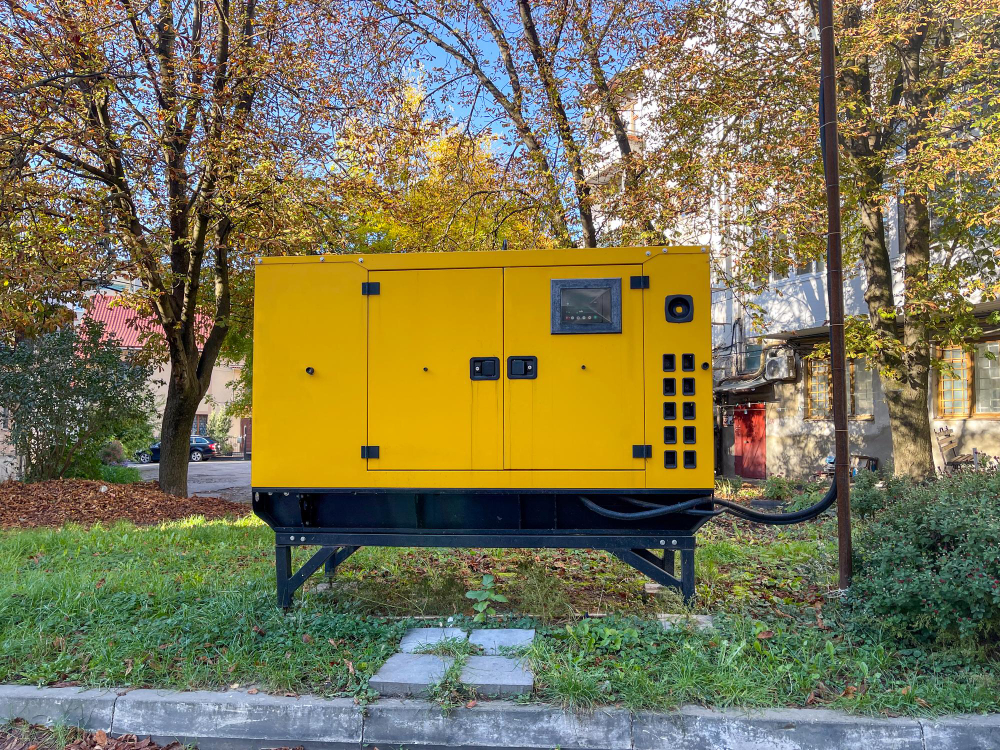
Generator maintenance saves money in Watkins Glen by keeping a small annual service visit between you and a major repair bill. A standby generator that sits in your yard running its weekly self-test cycle can look perfectly healthy from the outside, but inside, oil breaks down, batteries lose charge, coolant degrades, and fuel systems develop problems that only show up the one time you actually need backup power. That is not a theoretical risk around the Finger Lakes. It is what happens to systems that go years without professional attention.
Watkins Glen and the surrounding Schuyler County area sit in one of the more outage-prone corridors in upstate New York. Ice storms, high winds, and aging grid infrastructure combine to knock power out multiple times a year, sometimes for days at a stretch. NYSEG crews regularly mobilize hundreds of workers to restore service after major weather events across the Finger Lakes region. If your generator is not maintained and ready to carry that load, you find out at the worst possible moment.
This article breaks down what generator maintenance actually involves, how it prevents the kind of failures that lead to four-figure repair bills, and why the investment pays for itself many times over across the life of your system.
In this article, you will learn about:
Keep reading to understand how a straightforward annual service protects your backup power, your home, and your wallet for decades.
A standby generator is one of the few systems in your home that has to perform perfectly on zero notice after sitting idle for weeks or months. That combination of long dormancy and sudden demand is exactly what makes maintenance so critical. Without it, the mechanical and electrical components degrade in ways you will not see until the power goes out and the generator fails to start, or starts and shuts down under load.
The Finger Lakes climate makes this worse. Temperature swings from sub-zero winter nights to humid summer days stress every component in the system, from battery chemistry to coolant integrity to fuel stability. Properties in Watkins Glen and the surrounding area deal with conditions that accelerate wear even when the generator barely runs.
Standby generators are designed to run a brief weekly self-test cycle, usually around 10 to 15 minutes. That exercise keeps the engine lubricated, circulates coolant, and charges the battery. But a weekly test cycle at no load is not the same as running under real demand, and it does not address the slower forms of degradation happening inside the unit.
Oil breaks down over time regardless of runtime hours. Fuel, especially diesel, can degrade and attract moisture that leads to filter clogs and injector problems. Battery terminals corrode, and batteries themselves lose capacity as they age. Coolant chemistry shifts, reducing its ability to protect the engine from overheating or freezing. According to the Pacific Northwest National Laboratory, neglecting proper maintenance of standby generators can result in premature system failure and a lack of power during an outage, which is precisely the scenario the system exists to prevent.
The longer a generator goes without professional attention, the more these small issues compound. A weak battery might still crank the engine during a self-test, but it may not have enough power to start the unit reliably in freezing temperatures. A partially degraded fuel filter might allow the engine to idle fine but starve it under a full electrical load.
Generator repairs are not inexpensive. A failed battery is a relatively minor fix, but it can cascade into bigger problems if the generator does not start during an outage and the homeowner forces a restart or runs the system in a compromised state. Stator and rotor repairs on a standby generator can run anywhere from a few hundred to well over two thousand dollars depending on the component, and those failures are often preventable with routine inspection.
The National Fire Protection Association identifies battery failure as the single most common cause of generator failure. That is a component that costs relatively little to test and replace on a schedule, but it becomes an expensive emergency when it takes the entire system down during a storm.
Other common failures that stem from skipped maintenance include:
Every one of these is something a trained technician catches during a routine service visit. None of them announce themselves in advance.
The core purpose of generator maintenance is not to fix things that are broken. It is to find and address things that are wearing before they fail. A technician who checks oil condition, tests battery voltage and specific gravity, inspects coolant levels, verifies fuel quality, and runs the system under load is performing the same kind of preventive work that keeps any engine-driven equipment running for decades rather than years.
For homeowners in the Finger Lakes, the stakes are higher than in milder climates. A generator failure during a January ice storm does not just mean inconvenience. It means no heat, no sump pump during the thaw, and no way to keep pipes from freezing. Professional generator service is the layer of protection that keeps the system you already invested in actually doing its job.
A proper generator service visit is not a quick visual check. It is a systematic inspection of every component that has to function correctly for the system to start, run, and deliver power to your home. Understanding what the service covers helps explain why it is so effective at preventing failures and why it is not something most homeowners should attempt on their own beyond basic weekly checks.
The scope of a full annual service follows the same general framework recommended by the Pacific Northwest National Laboratory in its operations and maintenance best practices for standby generators, adapted for residential and light commercial systems.
The engine is the mechanical heart of the generator, and its condition determines whether the unit starts reliably and runs smoothly under load. During a professional service visit, the technician will:
Fuel quality matters more than most homeowners realize. Diesel fuel in particular degrades over time, and even natural gas systems have components that wear and need inspection. A clean fuel path is what keeps the engine from stumbling when it transitions from idle self-test to full household load during an outage.
The battery is the single point of failure that takes down more generators than any other component. A generator with a dead or weak battery simply will not start when the power goes out, regardless of how well the rest of the system is maintained.
Professional service includes testing battery voltage, checking electrolyte levels on flooded lead-acid batteries, cleaning terminals, applying corrosion inhibitor, and verifying that the battery charger is functioning correctly. Most standby generator batteries need replacement every two to three years, but testing on a regular schedule catches the decline before it reaches the failure point.
The electrical connections between the generator, transfer switch, and your home's panel also get inspected during a service visit. Loose or corroded connections create resistance that can cause arcing, overheating, or intermittent power delivery, all of which are safety hazards and reliability problems.
The cooling system prevents the engine from overheating during extended runs. A technician will check coolant level and condition, inspect hoses and belts for cracking or wear, verify that the radiator is free of debris, and confirm the engine block heater is working. The block heater is especially important in Watkins Glen, where winter temperatures can keep the engine cold enough to make starting difficult without it.
The exhaust system gets inspected for corrosion, leaks, and proper routing. Exhaust leaks are not just a performance issue. Carbon monoxide from a generator engine is deadly, and according to the U.S. Consumer Product Safety Commission, more than 200 people die in the United States every year from carbon monoxide produced by fuel-burning consumer products, with generators accounting for the largest single product category.
The automatic transfer switch, which detects the outage and signals the generator to start, also needs periodic inspection. Contacts wear, wiring connections loosen, and mechanical components can stick if they are not exercised and checked. A transfer switch that fails to activate defeats the entire purpose of having a standby generator.
Running a generator at idle or under its weekly no-load self-test does not prove the system can handle your home's actual electrical demand. Load testing applies a real or simulated electrical load to the generator and verifies that it produces stable voltage and frequency under working conditions.
Without periodic load testing, a generator can develop a condition known as wet stacking, where unburned fuel accumulates in the exhaust system because the engine is not working hard enough to reach proper combustion temperatures. Wet stacking reduces efficiency, fouls components, and can lead to serious engine damage over time. Running the system under at least 30 percent of its rated load, as recommended by NFPA 110 maintenance guidelines, prevents this buildup and confirms the generator can carry the circuits that matter when the power goes out.
A full load test also exposes problems that do not show up at idle. A weak connection, an undersized wire, or a degraded component may perform fine with no demand but fail under the stress of powering your heating system, sump pump, refrigerator, and lights simultaneously.
Generator maintenance is not a one-size-fits-all schedule. The frequency depends on the type of unit, its age, how often it runs, and the environmental conditions it faces. For properties in the Finger Lakes, those environmental conditions tend to push maintenance needs toward the more frequent end of the spectrum.
The baseline for most residential standby generators is annual professional service, combined with brief weekly checks that the homeowner can handle. Properties that experience more outages, older units, and systems in exposed locations may benefit from semi-annual service.
Between professional service visits, there are a handful of things you can and should do every week to keep your generator in good shape. These are not mechanical repairs. They are basic observations that take a few minutes.
These checks do not replace professional service, but they catch obvious problems early. A warning light that shows up after a self-test might indicate a battery or charging issue that a technician can address before it becomes a no-start condition during a storm.
For most standby generators in the Watkins Glen and Schuyler County area, annual professional service is the standard. This is the comprehensive visit that covers every system described in the previous section: engine, fuel, oil, filters, battery, coolant, exhaust, electrical connections, transfer switch, and load testing.
The manufacturer's recommendations set the baseline, but the technician performing the service should also account for local conditions. Finger Lakes humidity accelerates corrosion on terminals and connectors. Temperature extremes stress batteries and coolant. Properties near Seneca Lake may deal with additional moisture exposure that affects the generator enclosure and its components.
If your generator runs more frequently than average, either because of frequent local outages or because you use it for other purposes, the service interval should tighten. Systems that accumulate more runtime hours need oil and filter changes more often, and the fuel system and cooling system face more wear. According to the U.S. Energy Information Administration, U.S. electricity customers experienced an average of about 11 hours of power interruptions in 2024, nearly double the annual average over the previous decade, and properties in storm-prone regions like the Finger Lakes often exceed that figure significantly.
The best time to schedule generator maintenance in the Watkins Glen area is late spring or early fall, before the seasons that put the most demand on the system.
A late spring service gets your generator ready for summer thunderstorms and the severe weather that rolls through the Finger Lakes between June and September. An early fall service prepares the system for winter, which is when outages tend to last the longest and when losing power carries the most serious consequences for your home.
If you are only doing one annual service, early fall is the stronger choice. Winter storms in upstate New York are the primary reason most homeowners install a generator, and confirming the system is ready before the first ice event of the season is the most practical use of a maintenance visit. A technician can verify the block heater is working, the battery is strong enough for cold starts, and the coolant will protect the engine through sub-zero nights.
Properties in the broader region, including Elmira, Cortland, and Trumansburg, face the same seasonal pattern and benefit from the same timing.
The financial case for generator maintenance is straightforward. A small, predictable annual expense prevents large, unpredictable repair bills and extends the life of a system that cost thousands of dollars to install. The math works out in the homeowner's favor every time.
Most people understand this in principle. Where the message gets lost is in the specifics, because generator maintenance feels like an optional expense until the day it proves it was not.
Professional generator maintenance for a residential standby unit in the Finger Lakes area generally falls in the range of a few hundred dollars per visit. The exact cost depends on the size of the generator, the scope of service, whether parts like oil filters or spark plugs need replacement, and the travel distance for the technician.
That annual investment covers everything discussed in this article: oil and filter changes, fuel system inspection, battery testing, coolant check, electrical connection inspection, transfer switch check, and load testing. It is a comprehensive service that addresses every known failure point in the system.
For context, the Pacific Northwest National Laboratory, which operates under the U.S. Department of Energy, notes that standby generator operations and maintenance costs vary depending on the size of the unit, the operating profile, and the fuel type, but emphasizes that preventive and predictive maintenance is essential to achieving the highest reliability from the system.
Emergency generator repairs are a different category entirely. When a generator fails during an active outage, the service call is urgent, the diagnosis happens under pressure, and the parts may not be immediately available. Emergency labor rates are higher, and the consequences of delay are real.
Common emergency repairs include:
A single emergency repair can easily exceed what five or more years of annual maintenance would have cost. And unlike a scheduled service visit, an emergency repair happens at the exact moment you need the generator most, meaning you are without backup power until the work is done.
A well-maintained standby generator can last 20 to 30 years in residential service. The key word is well-maintained. A system that receives annual professional service, regular oil and filter changes, timely battery replacements, and periodic load testing will outlast one that is neglected by a decade or more.
When you consider that a new whole-home standby generator installation, including the unit, transfer switch, fuel connection, pad, permitting, and labor, represents a significant investment, the value of maintenance becomes even clearer. Spending a fraction of that amount each year to keep the existing system running reliably for its full designed lifespan is one of the better returns on investment a homeowner can make.
The alternative is replacing a system 8 to 10 years earlier than necessary because accumulated neglect has degraded the engine, corroded the electrical components, or damaged the fuel system beyond what a repair can justify. That early replacement is a cost that maintenance would have prevented.
Even with a regular maintenance schedule, generators can develop problems between service visits. Knowing what to watch for helps you get a technician involved before a minor issue becomes a major failure, or worse, before the next outage reveals that the system is not ready.
These warning signs apply to any standby generator, regardless of brand or fuel type. If you notice any of them, do not wait for your next scheduled service. Call and get the system checked.
If your generator struggles to start during its automated weekly test, or if it fails to start at all, something is wrong. The most common cause is a weak or dead battery, but hard starts can also indicate fuel delivery problems, a failing starter motor, or an issue with the engine's ignition system.
A generator that does not start on its self-test cycle will not start during an outage. This is the single most urgent warning sign, and it should prompt an immediate service call. Do not assume the problem will resolve itself on the next test cycle. Batteries do not recover on their own, and fuel system issues only get worse with time.
If your home's electrical system is connected to a generator that cannot start reliably, you do not have backup power. You have a piece of equipment in your yard.
Generators produce a predictable sound during operation. If the pitch, volume, or rhythm changes, it usually means something mechanical has shifted. A knocking or pinging sound can indicate engine timing problems or worn components. A high-pitched whine may point to a bearing issue in the generator or a belt problem.
Smells are equally telling. A fuel odor near the unit when it is not running can mean a leak in the fuel supply line or a connection point. A burning smell during operation can indicate an overheating component, a failing belt, or an exhaust leak. Any smell of exhaust inside or near your home while the generator is running is an emergency that requires immediate shutdown and a service call.
Visible signs include:
None of these are things to watch and wait on. Each one is your generator telling you it needs professional attention.
A generator that starts and runs at idle but stumbles, surges, or shuts down when the electrical load increases is a generator with a problem that will not show up during a no-load self-test. This is one of the reasons load testing is a critical part of professional maintenance.
If you notice lights dimming or flickering when the generator is powering your home during an outage, or if appliances cycle on and off unexpectedly, the generator may be struggling with fuel delivery, voltage regulation, or an undersized or deteriorating connection somewhere in the system.
Power instability from a generator is not just an inconvenience. Voltage surges and sags can damage sensitive electronics, and an unstable power supply puts stress on your home's electrical panel and wiring. If the generator cannot hold a steady load, shut it down and call for service rather than risking damage to the equipment it is supposed to protect.
Generator maintenance is one of the simplest ways to protect a significant investment and make sure your home stays powered when the grid goes down. The cost is predictable, the service is straightforward, and the payoff is a system that starts every time, runs reliably under load, and lasts for decades instead of failing when you need it most.
For homeowners in Watkins Glen and across the Finger Lakes, backup power is not a luxury. It is a necessity driven by the reality of winter storms, wind events, and an aging utility infrastructure that delivers outages more often than most people expect. A maintained generator meets those moments. A neglected one does not.
If your generator has not been professionally serviced in the past year, or if you have noticed any of the warning signs described in this article, now is the time to schedule a visit.
Pleasant Valley Electric has been providing licensed electrical service across the Finger Lakes since 1983. Call (607) 272-6922 and speak with a real person who can answer your questions, evaluate your system, and get your backup power ready for whatever comes next.
Whether you are dealing with flickering lights, outdated wiring, breaker problems, or planning a larger electrical upgrade, Pleasant Valley Electric is here to help. Our licensed electricians provide dependable service, honest recommendations, and fast response times throughout Ithaca and surrounding communities.
We call you back within 30 minutes during business hours.