4.9-Star Rated
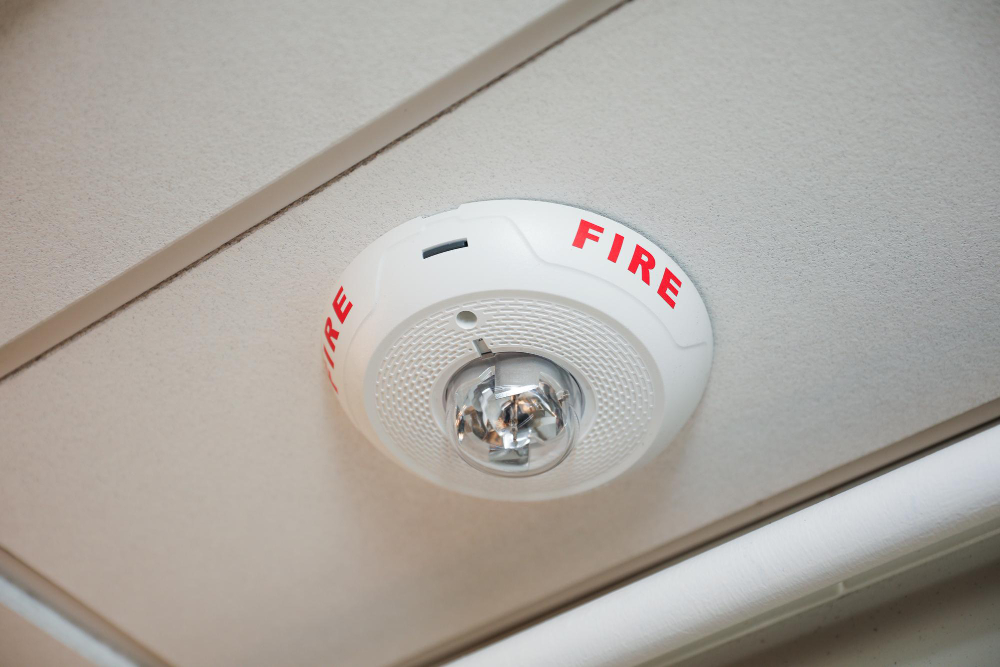
Fire safety is not something any property owner in Ithaca, NY can afford to get wrong. Professional fire alarm installation protects your building by detecting fires early, alerting occupants quickly, and helping emergency services respond faster. Whether you own a home, manage a business, or oversee a facility, a properly installed fire alarm system is the difference between a manageable incident and a catastrophic one.
The systems available today go well beyond basic smoke detection. Modern technology provides advanced features that can be tailored for different building types and specific safety requirements. From a single-family home in Fall Creek to a commercial space on the Ithaca Commons, each property needs a system designed around its layout, occupancy, and fire risks.
According to the NFPA, working smoke alarms reduce the risk of dying in a home fire by 60 percent. Yet roughly three out of five home fire deaths still occur in homes with either no smoke alarms or no working alarms. Those numbers make the case for proper installation and maintenance as clearly as anything can.
In this article, you will learn about:
Keep reading to understand what goes into a fire alarm system that actually works when it counts.
Fire alarm systems work by identifying smoke, heat, or flames within seconds of a fire starting, giving you the critical minutes needed to evacuate safely and get emergency services on the way. The faster the detection, the smaller the fire stays.
Early detection systems spot fires before they can spread through a building. Smoke detectors sense particles in the air, while heat sensors respond to rapid temperature changes. These devices trigger alerts within seconds of detecting danger.
When a fire alarm activates quickly, you gain valuable time to evacuate. The USFA reports that an estimated 24,200 residential electrical fires were reported to U.S. fire departments in 2021 alone, causing 295 deaths and more than $1.2 billion in property damage. Many of those losses happen because detection comes too late.
Property damage drops significantly when fires are caught in the first few minutes. A functioning alarm system can also notify the fire department automatically, reducing response time and limiting destruction to your building and belongings.
Fire alarm systems guide your response through audible sirens and visual signals. Strobes help people with hearing impairments, while voice evacuation systems provide clear instructions in multi-story buildings.
Connected zones tell emergency responders exactly where the fire originated. This information lets firefighters enter the building with a plan already in place instead of searching floor by floor. Some systems include digital floor plans and occupancy data that display at the control panel.
Modern systems also integrate with other safety features in your building. They can unlock doors, shut down HVAC systems to prevent smoke from spreading through ductwork, and activate emergency lighting. These automated responses happen instantly without requiring anyone to intervene.
Your notification system cannot afford a single failure. Battery backups keep alarms functional during power outages, which frequently accompany fires. Regular testing confirms all devices remain operational and connected to the control panel.
Multiple notification methods reach different people in different situations:
Code-compliant systems meet NFPA 72 standards and local Ithaca building requirements. Professional installation ensures proper device placement, adequate coverage, and correct wiring. Your system protects lives only when it is installed and maintained correctly.
Fire alarm systems require different features and layouts depending on whether they protect a home, a business, or an industrial facility. Building size, occupancy patterns, and local fire codes all shape what kind of system works.
Home fire alarm systems focus on quick detection and clear alerts that wake sleeping residents. Most homes use interconnected smoke detectors that communicate with each other so that when one alarm sounds, every alarm in the house activates simultaneously. The NFPA notes that hardwired smoke alarms operated in 92 percent of fires where they were present, compared to 77 percent for battery-only units.
Basic residential systems include smoke detectors in bedrooms, hallways, and living areas. Many homeowners add carbon monoxide detectors near furnaces and attached garages. Heat sensors in kitchens help avoid the false alarms that cooking smoke triggers on standard smoke detectors.
Residential features that matter most:
Residential fire alarm services in Ithaca often include monitored systems that alert the fire department automatically. These provide extra protection when families are away or asleep, and many connect to smartphones for instant notifications from anywhere.
Commercial fire alarm installation requires more complex systems than residential setups. Businesses must meet stricter fire codes and protect larger numbers of people who may not know the building layout well.
Commercial systems use multiple detection methods, including smoke sensors, heat detectors, and manual pull stations near exits. They connect to building-wide notification devices like strobes, horns, and voice evacuation systems. Many commercial buildings need fire panels that monitor hundreds of devices across multiple floors.
The standard commercial requirements include:
Office buildings, retail stores, and warehouses each need different coverage patterns based on ceiling heights, room configurations, and how many people occupy the space at peak times.
Several elements determine how a fire alarm system gets designed and installed. Building size dictates the number of devices needed and how they connect to control panels. Ceiling height determines what type of detectors work best, since buildings with ceilings above 10 feet often need specialized heat detectors or beam smoke detectors.
How the building is used matters significantly. Schools need systems that coordinate with class schedules and evacuation plans. Hospitals require staged alarm systems that alert staff before patients. Manufacturing facilities may need explosion-proof devices in certain areas.
Other factors that influence design include:
Local fire codes specify minimum requirements for device placement, testing frequency, and monitoring. Historic buildings in Ithaca and Trumansburg may need approaches that protect architectural features while meeting modern safety standards.
Professional fire alarm system installation requires expertise in device placement, wiring, and local safety codes. A qualified electrician ensures your system functions correctly the one time it absolutely has to.
The location of each smoke detector, heat sensor, and alarm device determines how quickly your system responds to fire. Your electrician evaluates ceiling heights, room layouts, airflow patterns, and potential obstructions that could delay detection.
Commercial buildings need devices near HVAC returns, stairwells, and high-risk areas like kitchens or mechanical rooms. Residential properties require coverage in bedrooms, hallways, and living spaces according to NFPA spacing requirements.
Dead air spaces in corners or ceiling peaks can prevent smoke from reaching detectors. Professional installers position devices where air circulation naturally carries smoke particles. They also account for ambient conditions like humidity or temperature that might cause false alarms in certain areas.
Fire alarm installation involves complex electrical work that connects all devices to a central control panel. Your system needs proper power supply, backup batteries, and reliable communication pathways between every component.
Hardwired systems require running cables through walls, ceilings, and conduit while maintaining circuit integrity throughout the building. Wireless systems need signal strength testing and battery management protocols. Both types must integrate with building automation, sprinkler systems, and emergency notification equipment.
A licensed electrician ensures all connections meet electrical codes and uses fire-rated wiring where required. They test voltage levels, communication signals, and backup power to verify the system operates during outages. Poor wiring causes system failures, false alarms, or gaps in coverage that leave parts of your building unprotected.
Local building codes and NFPA standards establish minimum requirements for fire alarm installation in Ithaca. These regulations specify device spacing, wiring methods, inspection procedures, and documentation requirements.
Non-compliant installations put you at risk for failed inspections, insurance claim denials, and legal liability if someone is injured. Fire marshals can require expensive retrofits or issue violation notices for systems that do not meet current codes.
Professional installers stay current with changing regulations and obtain proper permits before starting work. They provide documentation proving your system meets all requirements, which you need for occupancy permits and insurance coverage. Code compliance also ensures your equipment functions as designed during an actual emergency.
Fire alarm systems need regular attention to stay dependable and code-compliant. Testing specific components, catching problems early, and staying on a maintenance schedule are what keep your system ready to perform.
Control panels require testing to confirm they receive signals from all connected devices. Technicians check backup batteries to ensure they hold enough charge to carry the system through a power outage.
Smoke detectors need cleaning and sensitivity testing to verify they respond correctly to smoke particles. Heat detectors must be checked for accurate temperature thresholds. Pull stations should be tested to confirm they trigger alarms immediately when activated.
Notification devices, including bells, horns, and strobes, need testing at full volume and brightness. Wiring connections throughout the system require inspection for loose contacts or corrosion. Communication pathways to monitoring stations must be verified to ensure signals transmit correctly.
Most commercial systems need monthly, quarterly, and annual tests depending on the component. Residential systems should be tested monthly by the homeowner and inspected professionally at least once per year.
Dead or weak backup batteries rank among the most frequent issues found during fire alarm inspections. These batteries may not deliver enough power to keep the system running during an electrical failure.
Other common findings include:
Environmental factors like temperature swings, moisture, and dust can damage sensitive electronics over time, especially in older buildings across the Ithaca and Cortland area.
Scheduled maintenance catches small problems before they become safety hazards or expensive repairs. Regular testing ensures your system meets current fire codes and prevents the violations that lead to fines and forced shutdowns.
Preventive care extends equipment lifespan by addressing wear before components fail completely. That reduces emergency repair calls and the cost of rush-ordered replacement parts.
Documentation from routine inspections provides proof of compliance during official reviews. Your insurance provider may require maintenance records to maintain coverage, and that documentation also protects you in any liability situation.
Well-maintained systems dramatically reduce false alarms, which waste emergency resources and disrupt daily operations. Most importantly, proper maintenance ensures your fire alarm works reliably when a real fire starts.
Modern fire alarm systems use technologies that detect fires faster, connect to monitoring services for immediate emergency dispatch, and integrate with other building safety systems. These capabilities represent a significant improvement over what was available even a decade ago.
Professional monitoring services receive signals from your fire alarm system around the clock. When your alarm activates, the monitoring center contacts the fire department immediately, even if nobody is in the building.
Modern systems send alerts through multiple channels. You receive notifications on your smartphone, by email, and via text when the alarm goes off. That means you know about the emergency instantly, regardless of where you are.
Some advanced systems include voice evacuation features that announce exactly where the fire is located and which exits to use. Clear spoken instructions help people evacuate faster and more safely than traditional alarm bells alone. Two-way communication devices also let firefighters talk to people inside the building, improving coordination during evacuations.
Fire alarm systems now connect with sprinkler systems to provide layered protection. When smoke detectors sense a fire, they can automatically trigger sprinklers in the affected zone. The alarm also signals the monitoring station about which sprinklers activated.
Your access control system can unlock doors automatically during a fire alarm, preventing people from getting trapped and allowing firefighters to enter quickly. The system can also prevent doors from locking behind evacuating occupants.
Other systems that integrate with modern fire alarms:
Building management platforms display all fire safety data on a single screen. You can see which detectors activated, monitor system status, and track maintenance schedules from one interface.
Older fire alarm systems often use technology that fails more frequently. Conventional panels cannot identify which specific detector activated, only which zone has the problem. That wastes valuable time during emergencies when every second matters.
Addressable systems give each device a unique identifier. You know immediately which detector sensed smoke or which pull station was activated. Firefighters can respond directly to the right location instead of searching an entire zone.
Code requirements change regularly, and older systems may not meet current standards. Ithaca buildings must comply with New York State fire codes and NFPA 72 requirements. Inspectors can require upgrades during routine reviews if your system falls short.
Replacement parts for systems over 15 years old become increasingly difficult to source. Manufacturers stop producing components for discontinued models, which means repairs take longer and cost more. Upgrading prevents you from losing protection when a critical part becomes unavailable.
Modern detectors also reduce false alarms through improved sensing technology. They distinguish between smoke from cooking and smoke from an actual fire, saving you money on false alarm fines and keeping the fire department available for real emergencies.
A fire alarm system is only as good as its installation, and getting it right the first time is not a place to cut corners. The system has to detect fires fast, alert everyone in the building clearly, and stay connected to monitoring services and emergency responders without interruption. That requires a licensed electrician who understands device placement, wiring integrity, NFPA standards, and the specific code requirements that apply in Ithaca and Tompkins County.
Whether you need a residential system with interconnected smoke detectors and carbon monoxide protection, a commercial installation with addressable panels and voice evacuation, or an upgrade to replace aging equipment that no longer meets code, the work needs to be done by someone who knows exactly what your building requires.
If your current system has not been inspected recently, if you are planning a renovation or change of use, or if your building still runs on conventional panels with limited zone identification, now is the right time to have a professional evaluate what you have and what you need.
Pleasant Valley Electric has been installing and servicing fire alarm systems across Ithaca and Tompkins County since 1983. Call (607) 272-6922 to schedule a fire alarm installation, inspection, or system evaluation.
Whether you are dealing with flickering lights, outdated wiring, breaker problems, or planning a larger electrical upgrade, Pleasant Valley Electric is here to help. Our licensed electricians provide dependable service, honest recommendations, and fast response times throughout Ithaca and surrounding communities.
We call you back within 30 minutes during business hours.